Jones Act Cases from Accident Lawyer Hawaii

|

|

|

|
Jones Act Cases - Seaman Cases, Decisions & Opinions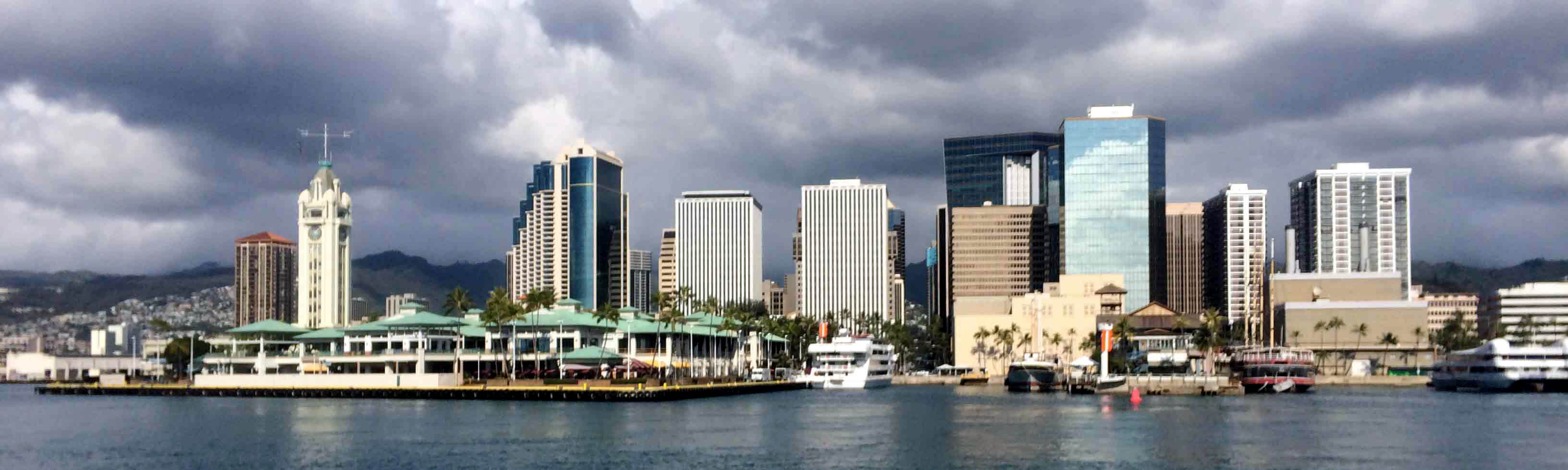
Law Office of William H. Lawson |




|
Jones Act - Table of Contents The Jones Act - Cases, Decisions and OpinionsII. PERSONS ENTITLED TO RECOVER - A. Seamen - 3. Particular Persons as Seamen154. Aircraft occupantsPilot of seaplane was not seaman for purposes of proceeding under 46 USCS Appx section 688. Hubschman v Antilles Airboats, Inc. (1977, DC VI) 440 F Supp 828.155. --Helicopter pilotsHelicopter pilot is not covered by Jones Act -46 USCS Appx section 688- because aircraft is not vessel even though pilot was transporting passengers to work on outer continental shelf. Barger v Petroleum Helicopters, Inc. (1982, CA5 Tex) 692 F2d 337, reh den (CA5 Tex) 698 F2d 1216 and cert den 461 US 958, 77 L Ed 2d 1316, 103 S Ct 2430.Helicopter pilot, performing his regular employment duty of transporting offshore oil workers from mainland to drilling platforms in Gulf, is not seaman under 46 USCS Appx section 688 inasmuch as helicopter is designed primarily to travel in air and is therefore not vessel. Reeves v Offshore Logistics, Inc. (1983, CA5 La) 720 F2d 835. 156. --Fish spottersAlthough airplane is not vessel under 46 USCS Appx section 688 and therefore pilot would not be entitled to coverage under section 688, he is not excluded from Longshore and Harbor Workers Compensation Act (33 USCS section 901 et seq.) benefits where as part of his regular employment he flew airplane over Gulf in order to locate schools of fish so that he could direct fishing boats to them. Ward v Director, Office of Workers' Compensation Programs, etc. (1982, CA5) 684 F2d 1114, cert den 459 US 1170, 74 L Ed 2d 1013, 103 S Ct 815.Aerial fish spotter, killed in collision of two planes engaged in spotting fish, was not seaman or member of crew of vessel and could not recover under 46 USCS Appx section 688. Marino v Trawler Emil C, Inc. (1966) 350 Mass 88, 213 NE2d 238, cert den 384 US 960, 16 L Ed 2d 673, 86 S Ct 1587. 157. Barge and scow workersMate aboard barge is seaman entitled to recover under 46 USCS Appx section 688 for injuries sustained in course of his employment. Braen v Pfeifer Oil Transp. Co. (1959) 361 US 129, 4 L Ed 2d 191, 80 S Ct 247.Sole employee aboard barge whose primary duty had to do with maintaining vessel in seaworthy condition was master or member of crew and entitled to maintain action under 46 USCS Appx section 688. Bowen v Shamrock Towing Co. (1943, CA2 NY) 139 F2d 674, 1944 AMC 39; Bryer v Erie R. Co. (1955) 1 Misc 2d 422, 145 NYS2d 847. Jury was justified in finding that plaintiff who was injured on barge while moving heavy metal pipe was seaman or member of crew of vessel for purposes of 46 USCS Appx section 688. Slatton v Martin K. Eby Constr. Co. (1974, CA8 Ark) 506 F2d 505, cert den 421 US 931, 44 L Ed 2d 88, 95 S Ct 1657. Error is not found in action by bargeman under Jones Act (46 USCS Appx section 688) to recover for injury sustained through unseaworthiness of barge on which he was working where District Court finds that bargeman was not seaman since records reflect that bargeman, who performed certain duties on barges that came to grain elevator, was never assigned to any particular barge and had never worked on same barge more than once, was assigned on random basis to various-owned barges as they came to grain elevator for unloading, and never ate, slept or performed any maintenance on any vessels in connection with his employment. Jones v Mississippi River Grain Elevator Co. (1983, CA5 La) 703 F2d 108, cert den 464 US 856, 78 L Ed 2d 157, 104 S Ct 175. Rigging foreman on floating ship-repair platform having no means of navigation cannot be said, as matter of law, not to be seaman within meaning of Jones Act, and question should be presented to jury. Gizoni v Southwest Marine, Inc. (1990, CA9 Cal) 909 F2d 385. Employee who was welder on pile-driving barge in project to rebuild train bridge was "seaman" on ground that barges could be considered "vessels" where barges were moved extensively and employee spent at least 85 percent of his time on barges. Sharp v Wausau Ins. Cos. (1990, CA5 La) 917 F2d 885. Member of carpenter's union whose duty was to drive train used to repair bridge from spud barge, equipped and inspected for navigation but without means for self-propulsion, was not "seaman" for purpose of Jones Act. Digiovanni v Traylor Bros., Inc. (1992, CA1 RI) 959 F2d 1119, 1992 AMC 1521. Worker on floating work platform was not "seaman" under Jones Act where primary purpose of barge was construction, not transportation, and worker was not injured while barge was actually underway. Hatch v Durocher Dock & Dredge (1994, CA6 Mich) 33 F3d 545, 1994 AMC 2188. One employed on barge used strictly to support engine and winch holding in place pontoon line of pipe used in suction-dredging operations was not seaman for purposes of 46 USCS Appx section 688. Andersen v Olympian Dredging Co. (1944, DC Cal) 57 F Supp 827. Plaintiff, whose duties as a bargeman included the maneuvering of barges loaded with coal which were delivered by tow boats on the Ohio River to the defendant's dock facilities, such maneuvering consisting of tying up the delivered barges by means of rope to other barges in a designated area, inspecting barges for leaks, placing navigation lines on them, and selecting many loaded barges, one barge at a time, for emptying by a shore-mounted crane, was seaman for purposes of 46 USCS Appx section 688. Mach v Pennsylvania R. Co. (1962, WD Pa) 207 F Supp 233, affd (CA3 Pa) 317 F2d 761. Plaintiff injured while working on defendant's wooden barge moored in navigable waters in Cambridge, Maryland was not seaman under 46 USCS Appx section 688 where approximately 90 percent of work which plaintiff performed for defendant during 9-month period of employment was done while plaintiff was on land and remaining 10 percent was done while on one or more of defendant's pieces of floating equipment located on navigable waters. Lewis v Roland E. Trego & Sons, Inc. (1973, DC Md) 359 F Supp 1130, affd in part and vacated in part on other grounds (CA4 Md) 501 F2d 372. Plaintiff employed to work upon barge was seaman within meaning of 46 USCS Appx section 688 where plaintiff's duties aboard barge were (1) to hook up hoses for discharging or loading oil; (2) to sweep tanks at end of discharging oil therefrom; and (3) to tie up barge with tug or pier. Spearing v Manhattan Oil Transp. Corp. (1974, SD NY) 375 F Supp 764, 19 FR Serv 2d 33. Jury would be entitled to conclude that plaintiff was member of crew of vessel where plaintiff was barge man at dock where coal was transferred from river barges to railroad cars, evidence was clear that he was employed in aid of navigation, plaintiff was employed to maintain each vessel which was docked at pier on which he was injured and his duties could be found to have constituted duties normally performed by ship's crew. Mietla v Warner Co. (1975, Ed Pa) 387 F Supp 937. In negligence action brought in state court under Jones Act by scowman, action is not removable to federal district court, where scowman was seaman under Jones Act in that he: (1) worked three days "on" and three days "off" scow, (2) supplied his own food aboard scow, (3) handled transfer of scow lines from dredge to tugboat, (4) remained on scow while it was towed ten miles to sea and controlled dumping of scow's load, (5) handled lines at sea and again in transfer back to dredge upon return to harbor, and (6) performed necessary maintenance including checking fuel and oil, and maintaining and operating running lights; plaintiff's presence aboard vessel was neither transient nor fortuituous and his tasks were central rather than peripheral to vessel's operation and mission. Demarac v American Dredging Co. (1980, SD NY) 486 F Supp 853. Operator of scow was seaman within meaning of 46 USCS Appx section 688 where he had charge of totality of functions performed aboard vessel, lived on vessel during his work periods and had been assigned to that scow for one month and similar scows for 7 years. Demarac v American Dredging Co. (1980, SD NY) 486 F Supp 853. Injured sanitation employee will not be declared seaman notwithstanding jury's determination that he is not seaman eligible to sue under 46 USCS Appx section 688, even though there was significant amount of evidence that he was member of crew of people who spent substantial amount of work time furthering mission of fleet of vessels on navigable waters, because jury reasonably could have found that member of digger gang for garbage barges was land-based worker ineligible to sue as seaman. Leotis v New York (1993, SD NY) 818 F Supp 63. Barge worker's motion for finding of seaman status and entitlement to maintenance and cure under Jones Act, 46 USCS Appx section 688, is denied, where backhoe operator from rock barge was injured while on another barge when cable of crane broke and struck him, since worker's permanent attachment was to barge used to transport rocks and injury occurred on barge used as work platform, worker's activity on barge where injury occurred did not contribute to his barge's task of transporting rocks, and barge used as work platform was not vessel in navigation for purposes of Jones Act. Taylor v Cooper River Constructors (1993, DC SC) 830 F Supp 300. Person working on barge is seaman within meaning of 46 USCS Appx section 688 even when barge has no motive power of its own. Brown v L. A. Wells Const. Co. (1944) 143 Ohio St 580, 28 Ohio Ops 486, 56 NE2d 451. 158. Bridge workersEvidence was insufficient as matter of law to support finding that deceased steelworker who died in fall from superstructure of bridge being constructed over Mississippi River was, at time of his death, seaman entitled to invoke jurisdiction under 46 USCS Appx section 688, where credible testimony of witnesses, taken in light most favorable to plaintiff, established at best that decedent may have spent portion of his time unloading steel from service barges anchored to bank of River and may have assisted in bringing service barges to shore from their temporary holding stations a short distance upriver, but there was no evidence that decedent had more than transitory contact with water and it was undisputed that his fatal fall occurred well away from water's edge and that his death was unrelated to any vessel or water-based activities. Holland v Allied Structural Steel Co. (1976, CA5 Miss) 539 F2d 476, reh den (CA5 Miss) 542 F2d 1173 and cert den 429 US 1105, 51 L Ed 2d 557, 97 S Ct 1136.Laborer who was employed in demolition of bridge and who, in course of his employment, was assigned to work loading scrap aboard barge and did so work for part of only one day prior to injury which occured while he was being lowered from bridge into barge was not seaman for purposes of 46 USCS Appx section 688. Whittington v Sewer Constr. Co. (1976, CA4 W Va) 541 F2d 427. Jurisdiction was not present for claim under 46 USCS Appx section 688 where decedent drowned in river when scaffold upon which decedent was standing while painting bridge gave way, since no vessel was actually involved in accident, and decedent was painter and not seaman within meaning of 46 USCS Appx section 688. Shows v Harber (1978, CA8 Ark) 575 F2d 1253, 25 FR Serv 2d 601. In action by iron worker who had been hired as foreman in connection with construction of part of bridge, against his employer under Jones Act for injuries sustained while he was working on construction barge owned by his employer, trial court properly sustained employer's motion for summary judgment on ground that plaintiff was not "seaman" under Jones Act, although barge was clearly "vessel in navigation," being used to transport steel materials on river and not having been withdrawn from waters at time of plaintiff's injury; plaintiff failed to show he was member of barge's crew, where only evidence suggesting that he contributed to transportation function of barge was statement that he might have thrown or fastened some mooring lines; fact that he performed iron work construction on navigable waters aboard barge did not make him member of crew charged with operation and welfare of barge as means of transport on water. Johnson v John F. Beasley Constr. Co. (1984, CA7 Ill) 742 F2d 1054, cert den (US) 84 L Ed 2d 328, 105 S Ct 1180 and (disagreed with Barrett v Chevron, U.S.A., Inc. (CA5 La) 781 F2d 1067). Iron worker hired as foreman and charged with construction of part of bridge, who threw mooring line to barge used to transport steel on river, is not seaman under 46 USCS Appx section 688, since his task was insignificant with respect to operation and welfare of barge and he was not assigned to barge. Johnson v John F. Beasley Constr. Co. (1984, CA7 Ill) 742 F2d 1054, cert den (US) 84 L Ed 2d 328, 105 S Ct 1180 and (disagreed with Barrett v Chevron, U.S.A., Inc. (CA5 La) 781 F2d 1067). Pile drivers, workers whose primary purpose was to aid building of bridge rather than to aid navigation of vessel, were not "seamen" within meaning of Jones Act. Yoash v McLean Contracting Co. (1990, CA4 Md) 907 F2d 1481. Plaintiff-construction worker is not entitled to status of Jones Act seaman and therefore cannot sue for personal injuries under Jones Act where plaintiff had worked on land at bridge construction site for approximately two months before accident but only began working on or near river barge that was site of accident three days before accident, where plaintiff's only vessel-related work consisted of preparing bridge girders on barge for use in construction of bridge, where there was no evidence that plaintiff ate or slept on board barge, and where plaintiff's transitory duties aboard barge were not related to any maritime activity but instead were related only to construction of bridge; evidence of sporadic contacts for brief periods of time with waterborne vessels is insufficient to support finding of seaman status, rather, in order to meet requirement that worker perform substantial part of his work aboard vessel to have seaman status it must be shown that worker performed significant part of his work aboard ship with at least some degree of regularity and conformity. Ehrhardt v B&G Crane Service, Inc., (1980, ED La) 492 F Supp 425. In action brought under Jones Act by bridge repair worker who was injured when he fell from moored barge into cofferdam, there was sufficient evidence from which jury could conclude that worker was seaman within meaning of Jones Act where, though worker performed bulk of work in cofferdam, he was "permanently" assigned to barge in that all equipment needed for bridge repair job was on barge, worker and other crew members ate lunch on barge, all workers remained on it when it was moved from place to place, and injured worker performed minor tasks on barge, including some of which aided in navigation function of vessel. Allen v Mobile Interstate Piledrivers (1985, Ala) 475 So 2d 530. Where employee whose duty it was to operate draw section of bridge over navigable stream was injured in performance of his duties by falling into waters below, prima facie he was not engaged in maritime activity at time of his injury and state workmen's compensation act applied. Brunswick v King (1941) 192 Ga 51, 14 SE2d 461, ans conformed to 65 Ga App 44, 14 SE2d 760. 159. CarpentersShip carpenter engaged on completed vessel afloat on navigable water, though not sailor, was seaman for purposes of 46 USCS Appx section 688. Kuhlman v W. & A. Fletcher Co. (1927, CA3 NJ) 20 F2d 465.Summary judgment was not warranted where jury could reasonably conclude that plaintiff, hired as carpenter out of carpentry union to work on construction projects but who occasionally, and at time of injury was, engaged in work typically done by deckhands, was seaman for Jones Act purpose. Delange v Dutra Constr., Co. (1999, CA9 Hawaii) 183 F3d 916, 1999 AMC 1864, request gr (1999, BAP9 Cal) 99 CDOS 4576, 99 Daily Journal DAR 5877. Carpenter injured while temporarily engaged in repairing barge moored to river landing could not sue under 46 USCS Appx section 688 since he was not member of crew of vessel. Finnie v Pittsburgh Coal Co. (1951, DC Pa) 97 F Supp 721. Carpenter's helper, injured while working on drilling rig, was not "seaman" within 46 USCS Appx section 688 in that he was assigned to various jobs on rotating basis, was never permanently assigned to specified vessel or group of vessels, and he was injured while working on drilling rig that was neither owned, chartered, nor leased by his employer. Fontenot v Halliburton Co. (1967, WD La) 264 F Supp 45. Ship carpenter employed by dry dock company in repairing vessel moored in navigable waters is not seaman. Rogisich v Union Dry Dock & Repair Co. (1930) 106 NJL 591, 150 A 670. Marine carpenter, employed by ship repair corporation, injured while working aboard vessel was shore-side employee and not seaman covered by 46 USCS Appx section 688. Sage v United States Lines (1974, 1st Dept) 44 App Div 2d 802, 355 NYS2d 153. 160. Construction workersPlaintiff was not sufficiently connected with employer's barge to be member of crew or seaman within meaning of 46 USCS Appx section 688 where, although plaintiff was injured while working aboard barge when scaffold overturned, plaintiff had no seaman's papers, was not assigned to any vessel in employer's fleet, rarely accompanied barge as it was being moved from one job to another, slept ashore and performed 90 percent of his work on land, and went aboard vessels only when his construction work required him to be on water. Lewis v Roland E. Trego & Sons (1974, CA4 Md) 501 F2d 372.Where plaintiff fell from pier face to platform 15 feet below while doing cement form work in connection with construction of concrete pier, plaintiff was normally picked up by tug and transferred to 38 by 120 foot steel-hulled barge utilized in defendant's construction efforts, major part of plaintiff's work was conducted on barge, it had snowed heavily prior to day of accident, and bridge surfaces were fairly deep in snow on day of accident, questions whether plaintiff was permanently assigned to barge and whether defendant was negligent should have gone to jury; thus, District Court erred in directing verdict for defendant. Bennett v Perini Corp. (1975, CA1 Mass) 510 F2d 114 (disagreed with Johnson v John F. Beasley Constr. Co. (CA7 Ill) 742 F2d 1054, cert den (US) 84 L Ed 2d 328, 105 S Ct 1180 and (disagreed with Barrett v Chevron, U.S.A., Inc. (CA5 La) 781 F2d 1067)). 46 USCS Appx section 688 does not cover construction worker employed in non-maritime construction, although the nature and location of his work occasionally required him to work in and around navigable waters, and aboard one or more pieces of floating equipment. Johnson v American Pile Driving Co. (1975, WD Wash) 397 F Supp 11. Construction company's motion to dismiss employee's Jones Act claim is granted, where employee was nothing more than land-based construction worker hired to operate crane on barge in order to repair transmission line tower, because employee did not assist primarily in navigation and was not Jones Act "seaman." Bryant v Gates Constr. Co. (1990, DC Del) 735 F Supp 602. Construction worker was not seaman under 46 USCS Appx section 688(a), where worker was injured while drilling holes in wood pilings as part of boat dock construction project, and although his work history showed involvement in marine construction projects, he was involved only insofar as his welding or pile-driving skills were needed, much of work was performed on land, worker was assigned on a project basis, not to a specific vessel or group of vessels, and he always returned home to eat and sleep, driving back to job site each day. Snowden v Woodington Corp. (1997, ED Va) 963 F Supp 526, 1997 AMC 2167, vacated, on reh, summary judgment den (1997, ED Va) 1997 US Dist LEXIS 10428. Laborer working on barge, helping to construct wooden mat at foundation for river dike was not entitled to compensation under 46 USCS Appx section 688. Bowery v Hartford Acc. & Indem. Co. (1947) 356 Mo 545, 202 SW2d 790, cert den 332 US 838, 92 L Ed 410, 68 S Ct 210, reh den 332 US 849, 92 L Ed 420, 68 S Ct 342. Where employee was engaged in construction of marina, and he sustained injuries while on raft carrying timber to marina, he could not recover under 46 USCS Appx section 688 because movement of lumber to marina aboard raft was not activity in direct aid of commerce and navigation, but only marginal and incidental to it. Garrisey v West Shore Marina Associates (1970) 2 Wash App 718, 469 P2d 590. 161. Cooks, stewards, and other mess personnelWaitress employed on vessel making trips on Lake Michigan was seaman for purposes of 46 USCS Appx section 688. Buford v Cleveland & Buffalo S.S. Co. (1951, CA7 Ill) 192 F2d 196.46 USCS Appx section 688 did not cover injuries to mess boy while on dock assisting to unload cargo. Hughes v Alaska S. S. Co. (1923, DC Wash) 287 F 427. Employee of caterer contracted to provide supplies for submersible drilling barge, injured by slipping on barge while storing supplies under direction of barge foreman was member of crew for purposes of 46 USCS Appx section 688. Hebert v California Oil Co. (1967, WD La) 280 F Supp 754. Catering hand who, without compensation, took command of vessel's galley to prepare meal for its crew while vessel was transporting him to drilling platform where he was to work was not "seaman" under Jones Act (46 USCS Appx section 688). Rutledge v A & P Boat Rentals, Inc. (1986, WD La) 633 F Supp 654. Woman's action seeking maintenance and cure, wages until end of voyage, and damages for failure to pay maintenance and cure is dismissed as matter of law, even though she was injured aboard vessel provided by Navy to house and feed oil spill workers, where her sole job was to prepare food for workers, because woman performed no function relating to navigation of ship, was more akin to cook on "floating hotel," and thus was not "seaman" for purposes of Jones Act (46 USCS Appx section 688). Johnnie v Nana Dev. Corp. (1991, DC Alaska) 780 F Supp 669. Stewardess is entitled to benefits of 46 USCS Appx section 688. Gladstone v Matson Navigation Co. (1954) 124 Cal App 2d 493, 269 P2d 37. 46 USCS Appx section 688 may be applicable in favor of cook though vessel is not common carrier. Ziegler v Alaska Portland Packers' Ass'n (1931) 135 Or 359, 296 P 38. 162. Crane or derrick workersDeckhand on board hoister, anchored in harbor, which was not self-propelled and was engaged in removing pilings in riverbed was seaman for purposes of 46 USCS Appx section 688. Schantz v American Dredging Co. (1943, CA3 Pa) 138 F2d 534.Claim falls within scope of Jones Act, 46 USCS Appx section 688, where plaintiff was employed as fireman on floating derrick in York River in Virginia and he sustained injury in course of employment. Summerlin v Massman Const. Co. (1952, CA4 Va) 199 F2d 715. Plaintiff, injured on floating crane when electromagnet used in loading scrap metal on to freighters slid and crushed his foot, was not 46 USCS Appx section 688 seaman; fact that plaintiff handled lines to move floating crane did not require finding of seaman's status; on other hand, fact that plaintiff ate and slept ashore did not necessitate finding that status of seaman did not exist. Salgado v M. J. Rudolph Corp. (1975, CA2 NY) 514 F2d 750. Worker who was injured while working as crane operator aboard crane barge on construction project in harbor and who had only transitory connection with barge was not "seaman" under Jones Act. Cabral v Healy Tibbits Builders (1997, CA9 Hawaii) 118 F3d 1363, 97 CDOS 5378, 97 Daily Journal DAR 8726, 1997 AMC 2419, amd (1997, CA9 Hawaii) 1997 US App LEXIS 28530 and reh, en banc, den (Oct 15, 1997). Crane operator was not "seaman" for purpose of Jones Act where he was land-based worker who had only transitory or sporadic connection to barge on which he was hired to operate crane, not as crew member. Cabral v Healy Tibbits Builders (1997, CA9 Hawaii) 128 F3d 1289, 97 Daily Journal DAR 12902. Jones Act (46 USCS Appx section 688) applies to action by crane operator, where operator (1) was member of crew assigned to "vessel in navigation" and (2) greater part of duties were performed on vessel, notwithstanding that injury occurred on dock away from vessel, because operator's duties were in "aid of navigation" and thus operator was "seaman." Gallop v Pittsburgh Sand & Gravel, Inc. (1988, WD Pa) 696 F Supp 1061. Genuine issue of material fact precluding summary judgment existed as to whether crane operator qualified for seaman status where crane operated by plaintiff was located on barge which was not self-propelled, but was moved from various points within terminal facility by tugs and crane was used for loading and unloading of vessels and other barges. Burrle v International Marine Terminals (1986, La App 4th Cir) 485 So 2d 1006. 163. DiversCommercial diver, who embodies traditional and inevitably maritime task of navigation, has legal protection of seaman when substantial part of his duties are performed on vessel; it is inherently maritime nature of tasks performed and perils faced by his profession, and not fortuity of his tenure on vessel from which he makes particular dive on which he was injured, that makes him seaman; offshore oil field diver was seaman for purposes of section 688, where more than 95 percent of diver's work was performed at sea, and where he, along with various other crew members, ate and slept aboard vessel. Wallace v Oceaneering International (1984, CA5 La) 727 F2d 427.Trial court's determination that diver was seaman was not erroneous where trial court found that diver spent 90 percent of work-time aboard identifiable fleet of barges and, as commercial diver, worker faced tasks and perils of inherently maritime nature. Pickle v International Oilfield Divers, Inc. (1986, CA5 La) 791 F2d 1237. Diver/dockbuilder who was employed in variety of marine construction jobs and who was killed while on board heavy-lifting derrick barge in process of removing damaged mooring platform was harbor worker, not "seaman," under Jones Act. Bundens v J.E. Brenneman Co. (1995, CA3) 46 F3d 292, 1995 AMC 1330. Professional diver is peculiarly, and totally, subject to perils of sea and thus may, under special circumstances, qualify as seaman without showing requisite degree of temporal connection. Roberts v Cardinal Servs. (2001, CA5 La) 266 F3d 368. Diver who is regularly employed as seaman and performs majority of his work from vessel is covered by 46 USCS Appx section 688 even though injured while on land assisting in building diving training tank for underwater use. Taylor v Packer Diving & Salvage Co. (1971, ED La) 342 F Supp 365, affd (CA5 La) 457 F2d 512, reh den (CA5 La) 471 F2d 650. Question of fact was presented whether professional hard hat diver, killed after having dived from barge into 35 feet of water to repair underwater sewer outfall, was seaman within meaning of 46 USCS Appx section 688. Holland v Healy Tibbitts Constr. Co. (1974, DC Hawaii) 379 F Supp 192. Leverman aboard dredge was not seaman under Jones Act (46 USCS Appx section 688) at time he was killed in dive to inspect dredge's underwater equipment at request of employer as such activity was separate and independent from his duties as leverman. Smith v Eastern Seaboard Pile Driving, Inc. (1978, DC NY) 1978 AMC 2068. Injured diver does not qualify as "seaman" under Jones Act (46 USCS Appx section 688), where he performed 5 different jobs during 3 months of employment with company, working for 3 different customers of company on variety of different vessels, because his diving activity was in no way related to movement of vessels, could not be considered traditional seaman's duties, and was also not performed for "fleet" of vessels under common ownership or control. Ashley v Epic Divers, Inc. (1991, ED La) 818 F Supp 172, affd without op (CA5 La) 976 F2d 730, cert den (US) 122 L Ed 2d 786, 113 S Ct 1415. Professional diver's survivors' suit against his employer need not be denied summarily, where diver drowned in mishap during salvage operation, and in 9 years he had worked on 53 different vessels owned by 37 different companies, because mere fact that diver was not permanently assigned to particular vessel or to fleet of vessels does not preclude his status as "seaman." Hall v Professional Divers (1994, ED La) 865 F Supp 363. Freelance commercial diver was not seaman within meaning of 46 USCS Appx section 688, where diver was injured while diving from crane barge engaged in installation of artificial reef, because, although his duties contributed to function of barge and accomplishment of its mission, and his connection to barge was substantial in nature, it was not substantial in duration, considering that diver's assignment to barge was only for 10 days with no view toward more permanent relationship. Foulk v Donjon Marine Co. (1997, DC NJ) 961 F Supp 692. As matter of law, diver who works from anchored floating barge is not precluded from "seaman" status under 46 USCS Appx section 688. Pederson v Powell-Duffryn Terminals, Inc. (1999, DC NJ) 34 F Supp 2d 915. Deep sea diver injured while working for employer engaged in offshore oil drilling is protected by 46 USCS Appx section 688 as matter of law. Howard v Global Marine, Inc. (1972, 2d Dist) 28 Cal App 3d 809, 105 Cal Rptr 50. 164. Dockbuilders and piledriver crewsWorkmen operating piledriver on scow afloat in navigable river in construction of dock were seamen for purposes of 46 USCS Appx section 688. George Leary Const. Co. v Matson (1921, CA4 Va) 272 F 461.Member of dock-building gang was not member of crew of floating pile driver, where no quarters were maintained for gang, and gang returned home each night. Petition of Spearin, Preston & Burrows, Inc. (1951, CA2 NY) 190 F2d 684. It could not be said, as matter of law, that injured dockbuilder who worked primarily from barge was not crew-member and such question was for jury where (1) substantial part of dockbuilder's work was performed on deck of barge (2) on day of accident dockbuilder spent at least 4 hours aboard barge and (3) one of primary functions of barge was to provide work area for construction of docks. Stafford v Perini Corp. (1973, CA1 Mass) 475 F2d 507. Dock builder injured while on board dredge as one of its crew was within protection of 46 USCS Appx section 688. Walsh v New York (1936, DC NY) 1936 AMC 1846. Pile driver plaintiff is not seaman under Jones Act because pile driver's duties did not serve naturally and primarily as aid to navigation and only incidentally assisted in barge's movement from one location to another, since his work was directed toward maintaining land-based utility lines. Presley v Healy Tibbits Constr. Co. (1986, DC Md) 646 F Supp 203. Employee of subcontractor is not "seaman" under Jones Act (46 USCS Appx section 688), where it is undisputed that materials barge on which employee's accident allegedly occurred was being used primarily as work platform for at least 2-month period prior to his accident, because employee was dockbuilder working on barge, not seaman whose work involved spending substantial time aboard vessel in navigation contributing to its function or mission. O'Hara v Weeks Marine (1996, ED NY) 928 F Supp 257. Workmen on piledriver mounted on scow was seaman within meaning of 46 USCS Appx section 688. Pfister v Bagdett Const. Co. (1933, Mo App) 65 SW2d 137. Fireman on pile driver barge engaged in improvement work on Missouri river was not seaman engaged in navigation and commerce on navigable stream, hence his remedy for injuries received was under state act rather than 46 USCS Appx section 688. Belk v Massman Const. Co. (1937) 133 Neb 303, 275 NW 76, cert den 303 US 641, 82 L Ed 1101, 58 S Ct 647. 165. Dredging crewsHandyman employed to assist with dredging operations injured while placing signal lanterns from dredge in shed on opposite bank was member of crew of dredge and consequently entitled to benefits of Jones Act. Senko v La Crosse Dredging Corp. (1957) 352 US 370, 1 L Ed 2d 404, 77 S Ct 415, reh den 353 US 931, 1 L Ed 2d 724, 77 S Ct 716.Testimony tending to show that dredge handyman was employed almost solely on dredge, that his duty was primarily to maintain dredge during anchorage and for future trips, and that he had significant navigation function when dredge was put in transit, constituted sufficient evidence to support jury's finding that he was member of dredge's crew. Senko v La Crosse Dredging Corp. (1957) 352 US 370, 1 L Ed 2d 404, 77 S Ct 415, reh den 353 US 931, 1 L Ed 2d 724, 77 S Ct 716. Employee working on dredge is seaman entitled to sue under 46 USCS Appx section 688. Kibadeaux v Standard Dredging Co. (1936, CA5 Tex) 81 F2d 670, 1936 AMC 254, cert den 299 US 549, 81 L Ed 404, 57 S Ct 12; Melanson v Bay State Dredging & Contracting Co. (1943, DC Mass) 62 F Supp 482. Where plaintiff's duties aboard a dredge included handling and maintaining earth-conveying pipelines, tending lines of dredge and its various auxiliary vessels, and posting of necessary lights, he was, as matter of law, member of crew for purposes of 46 USCS Appx section 688 and therefore, excluded from coverage of the Longshoremen's and Harbor Workers' Compensation Act -33 USCS section 901 et seq.-. Lawrence v Norfolk Dredging Co. (1963, CA4 Va) 319 F2d 805, 1964 AMC 362, cert den 375 US 952, 11 L Ed 2d 313, 84 S Ct 443. Member of crew of dredge cleaning out repair slips of shipyard on banks of navigable stream was not seaman within protection of 46 USCS Appx section 688. Woods v Merrill-Stevens Dry Dock & Repair Co. (1936, DC Fla) 14 F Supp 208, 1936 AMC 879. Mate on dredge in navigable waters was seaman notwithstanding fact that dredge had no locomotive power of its own. Chesser v General Dredging Co. (1957, DC Fla) 150 F Supp 592. Member of crew of dredge whose duties consisted of assisting in operation of dredge and maintenance thereof and assisting in navigation and operation of tender vessels was seaman for purposes of 46 USCS Appx section 688 even though he slept ashore every night since owner did not provide sleeping quarters onboard. Williamson v Western-Pacific Dredging Corp. (1969, DC Or) 304 F Supp 509, affd (CA9 Or) 441 F2d 65, cert den 404 US 851, 30 L Ed 2d 91, 92 S Ct 90. Person injured while member of dredge crew engaged in filling land for public park, not concerned with navigation, could not maintain action under 46 USCS Appx section 688. Covington v Standard Dredging Corp. (1952, Fla) 61 So 2d 644. Oiler on nonself-propelled dredge injured while dredge was operating in harbor could maintain action under 46 USCS Appx section 688. Arundel Corp. v Jasper (1959) 219 Md 519, 150 A2d 415, 1961 AMC 2034. Dredge cutting channel across land is not engaged in maritime work, even though it is followed, as result of its work, by navigable channel, and employee on such dredge may not sue as seaman under 46 USCS Appx section 688; opposite would be true if dredge were deepening existing navigable channel. Orleans Dredging Co. v Frazie (1935) 173 Miss 882, 161 So 699, cert den 296 US 653, 80 L Ed 465, 56 S Ct 383 and later app 179 Miss 188, 173 So 431 and later app 182 Miss 193, 180 So 816. 166. --Sand and gravel operationsEmployees of defendant engaged in removing sand by barges to shore were members of crew where they lived on dredge free of charge both day and night. Wilkes v Mississippi River Sand & Gravel Co. (1953, CA6 Tenn) 202 F2d 383, 1953 AMC 846, cert den 346 US 817, 98 L Ed 344, 74 S Ct 29.Where defendant excavated canal from river over its own property to its sand and gravel pit, employee on defendant's sand and gravel processing plant constructed on barges fixed to bottom of wet pit by means of spuds, or pilings, driven into ground, who was injured while working on sand and gravel plant was not member of crew of vessel and was not entitled to maintain action under 46 USCS Appx section 688. Tuder v Material Service Corp. (1959, DC Ill) 177 F Supp 71. Employer and independent contractor are denied summary judgment on sandblaster's status as Jones Act seaman under 46 USCS Appx 688 in action for injuries sustained while on fixed platform off Louisiana coast, where sworn deposition testimony of sandblaster raised sufficient genuine issues of material fact. Funderburk v Maintenance Associates, Inc. (1986, ED La) 640 F Supp 813. 167. --Temporary assignments off dredgeStatus of libellant, who was "seaman" on dredge did not change when he was sent by respondent, in course of his employment, to work on two carfloats which were to be added to respondent's fleets as pontoons or workboats and which had no crew of their own. Tyndall v Conduit & Foundation Corp. (1959, DC Pa) 169 F Supp 299, affd (CA3 Pa) 269 F2d 947, 1960 AMC 1656.Plaintiff permanently assigned to dredge as oiler but who served as deckhand on tank vessel was seaman for purposes of 46 USCS Appx section 688. Brinegar v San Ore Constr. Co. (1969, ED Ark) 302 F Supp 630. 168. DeckhandsInjured employee who is not articled seaman and mainly doing work of laborer or deckhand on dredge may maintain action under 46 USCS Appx section 688, and is excluded from Longshore and Harbor Workers' Act (33 USCS section 901 et seq.). Maryland Casualty Co. v Lawson (1938, CA5 Fla) 94 F2d 190, 1938 AMC 300.Deckhand of dredge is seaman within 46 USCS Appx section 688 even though he lived and took his meals ashore. Gahagan Const. Corp. v Armao (1948, CA1 Mass) 165 F2d 301, cert den 333 US 876, 92 L Ed 1152, 68 S Ct 905. Deckhand employed on stripper dredge engaged in removing topsoil, mud, and clay from highlands abutting river was not seaman within meaning of 46 USCS Appx section 688. Beddoo v Smoot Sand & Gravel Corp. (1942) 76 App DC 39, 128 F2d 608. Deckhand on dredge operated in navigable waters could maintain action under 46 USCS Appx section 688 for injuries sustained while assisting in routine repairs of dredge. Early v American Dredging Co. (1951, DC Pa) 101 F Supp 393. 169. Drilling crewsTerm "seaman" as used in 46 USCS Appx section 688 is applicable to workman on special-purpose structure, such as floating drilling platform, submersible barge, derrick, or dredge, if he serves in capacity which contributes to accomplishment of function or mission of structure, even though he has nothing to do with navigation, as such, nothing to do with operation or welfare of vessel in sense that vessel is means of transport by water, and is not member of ship's company in sense that a ship's cook or carpenter are necessary or appropriate members of ship's complement. Offshore Co. v Robison (1959, CA5 La) 266 F2d 769, 75 ALR2d 1296 (disagreed with Johnson v John F. Beasley Constr. Co. (CA7 Ill) 742 F2d 1054, cert den (US) 84 L Ed 2d 328, 105 S Ct 1180 and (disagreed with Barrett v Chevron, U.S.A., Inc. (CA5 La) 781 F2d 1067)).Plaintiff, injured while working as wire man on drilling barge, was not seaman under 46 USCS Appx section 688 where work as wire line operator did not require him to be assigned to any particular drilling barge in performance of his duties and he was to be on vessel only for two days in performing his work. Cox v Otis Engineering Corp. (1973, CA5 La) 474 F2d 613. One criteria for determining seaman status under Jones Act is that vessel be in navigation, and this determination is, except in rare instances, question of fact; thus, in action by injured worker against his employer under Jones Act for injuries sustained while he was working on uncompleted drilling rig, which was tried before district court, question whether worker was seaman was not question of law, but was question of fact, and district court did not err in finding that drilling rig was not vessel and was not in navigation, where partially completed rig had been transferred to worker's employer for completion, and where court found that "rigging up" done by employer entailed completion of necessary construction and equipment for rig's use as drilling rig. Fredieu v Rowan Cos. (1984, CA5 La) 738 F2d 651, 39 FR Serv 2d 1147. Oil well inspector who was injured while on board drilling vessel was seaman under Jones Act as matter of law, although he was employed by oil company which had hired operator of drilling vessel to drill offshore oil well, where inspector was permanently assigned to vessel and where his work contributed to mission of vessel; i.e., drilling of oil well. Tullos v Resource Drilling, Inc. (1985, CA5 La) 750 F2d 380. In Jones Act action against employer brought by worker injured while working as motorman on stationary oil drilling rig, trial court did not err in directing verdict on issue of seaman status in favor of employer where worker's primary responsibilities concerned drilling operations on drilling rig and where, although worker stored some of his tools and lived aboard adjacently anchored vessel, he did not perform significant part of his work aboard such vessel with "at least some degree of regularity and continuity." Golden v Rowan Cos. (1985, CA5 La) 778 F2d 1022. In action by welder's helper under Jones Act arising from back injury sustained when he was transferred in suspended personnel basket between crew boat and barge, and for exacerbation of such injury sustained while lifting section of pipe while standing on barge, trial court erred in concluding that worker was member of crew of vessel; such determination should have been made in context of his entire employment with his employer where helper's permanent job assignment during such term of employment had not changed. Since record revealed that helper's one year employment consisted of 70 to 80 percent work on platforms and no more than 20 to 30 percent work on vessels, helper did not perform substantial portion of his work aboard vessel and thus failed to establish he was member of crew. Barrett v Chevron, U.S.A., Inc. (1986, CA5 La) 781 F2d 1067. Wireline operator whose duties included surveying oil wells and operating wireline and steering tools on shore and on movable drilling riggs offshore, whose employer did not own or lease offshore rigs or vessels but was independent contractor sending workers to any concern requesting its services, who spent 75-80 percent of time offshore working on special purpose drilling rigs, who ate and slept aboard drilling rigs, who when 4 years with employer worked for 23 different companies aboard movable rigs and who did not possess seaman's papers or coastguard license, failed to establish that he was permanently assigned to identifiable vessel or fleet of vessels as required to state Jones Act Claim. Lirette v N.L. Sperry Sun, Inc. (1987, CA5 La) 831 F2d 554. Person employed as wireline operator whose duties included surveying oil wells and operating wireline and steering tools both on shore and on movable drilling rigs offshore, and who, during his four-year employment, spent 75 to 80 percent of his time offshore working on special purpose drilling rigs belonging to 23 different companies, and ate and slept aboard drilling rigs, was not Jones Act seaman where he did not possess seaman's paper or Coast Guard license, his employer did not own or lease any offshore rigs or vessels, but was independent contractor who sent workers to any concern requesting its services, 23 drilling rigs he worked aboard were not under common ownership or control of his employer nor did they share nexus which would support finding that they were fleet, and worker did not fall within exception to common ownership or control requirement because he did not perform traditional duties of blue water seaman. Lirette v N.L. Sperry Sun, Inc. (1987, CA5 La) 831 F2d 554. Oil-field worker engaged in drilling of submerged lands or tidelands of Gulf of Mexico on outer continental shelf was not seaman within contemplation of 46 USCS Appx section 688. Ross v Delta Drilling Co. (1962, Ed La) 213 F Supp 270, 1964 AMC 209, cert den 382 US 966, 15 L Ed 2d 369, 86 S Ct 456. Floorhand in drilling crew more or less permanently assigned as regular employee on rig was seaman within protective provisions of 46 USCS Appx section 688. Guilbeau v Falcon Seaboard Drilling Co. (1963, ED La) 215 F Supp 909, 1965 AMC 346. Since plaintiff, as derrick hand and member of drilling crew, was obviously contributing to oil exploration function of submersible drilling barge, which is vessel within meaning of 46 USCS Appx section 688, he is, under such circumstances, entitled to be included within traditional classification of "blue water" seamen, albeit vicariously. McCarty v Service Contracting, Inc. (1970, ED La) 317 F Supp 629. Assistant driller was "seaman" under the Jones Act (46 Appx. USCS section 688) at time of his injury because (1) movable oil rig where he worked is vessel in navigation, (2) driller was assigned to rig for up to 30-day shifts, giving permanent connection between seaman and ship, and (3) driller participated in significant navigational functions, since rig was moved 3 times while he was there. Davis v Forex (1986, ED Pa) 655 F Supp 605. Drilling service ] employee is denied remand to state court, where he asserts Jones Act (46 USCS Appx section 688) claim for loss of leg during testing of offshore oil well while assigned to semisubmersible drill ship, because employee cannot possibly meet seaman status criteria since he did not have connection to vessel in navigation, or identifiable group of vessels, that was substantial in duration and nature. Cunningham v Schlumberger Well Servs. (1996, WD La) 937 F Supp 570. 170. --Stationary drilling platformMember of oil drilling crew on sunken drilling barge may be seaman under 46 USCS Appx section 688. Gianfala v Texas Co. (1955) 350 US 879, 100 L Ed 775, 76 S Ct 141, reh den 350 US 960, 100 L Ed 834, 76 S Ct 346 and (not followed Johnson v John F. Beasley Constr. Co. (CA7 Ill) 742 F2d 1054, cert den (US) 84 L Ed 2d 328, 105 S Ct 1180 and (disagreed with Barrett v Chevron, U.S.A., Inc. (CA5 La) 781 F2d 1067)); Ledet v U. S. Oil of Louisiana, Inc. (1964, ED La) 237 F Supp 183.Derrick man employed to perform work in connection with drilling of oil well from fixed stationary platform located some 10 miles from coast, injured while working on this structure, was not seaman or member of crew of vessel who could bring action for personal injuries under 46 USCS Appx section 688; platform could not be considered "vessel" within meaning of section 688. Freeman v Aetna Casualty & Surety Co. (1968, CA5 La) 398 F2d 808. Workman injured on fixed drilling platforms should have his status as seaman protected by 46 USCS Appx section 688 determined by trier of facts when two conditions are met: (1) when injured workman is assigned permanently to vessel or performs substantial part of his work thereon, and (2) when his duties contribute to function of vessel or to accomplishment of its mission. Nolan v Coating Specialists, Inc. (1970, CA5 La) 422 F2d 377. Employee who worked on fixed stationary drilling platform was not seaman and could not recover for injuries sustained while working on platform, despite fact that he ate, slept, and spent off-duty time on tender which serviced platform. Keener v Transworld Drilling Co. (1972, CA5 La) 468 F2d 729. Welder, assigned, berthed, and fed on stationary production platform off coast of Louisiana who was injured by some falling equipment while cutting header supports to allow equipment to be loaded from platform onto nearby barge failed to establish his status as "seaman" for purposes of 46 USCS Appx section 688. Ross v Mobil Oil Corp. (1973, CA5 La) 474 F2d 989, cert den 414 US 1012, 38 L Ed 2d 250, 94 S Ct 378. Painter's helper injured while being lifted in crane's cargo basket from crew boat to drilling platform was not seaman entitled to sue under 46 USCS Appx section 688 where painter's helper was not permanently assigned to vessel, did not perform substantial part of his work on such vessel, his employment as painter's helper on platform did not contribute either to function of vessel or to welfare of vessel during its movement, and he was only passenger on crew boat twice daily. Callahan v Fluor Ocean Services, Inc. (1973, CA5 La) 482 F2d 1350. One employed as member of drilling crew on employer's drilling rig located on stationary drilling platform in Gulf of Mexico was not member of crew of vessel entitled to sue under 46 USCS Appx section 688. Owens v Diamond M Drilling Co. (1973, CA5 La) 487 F2d 74, reh den (CA5 La) 487 F2d 1401. Personal representatives of drilling platform worker who was killed in crash of helicopter crew boat were entitled to maintain 46 USCS Appx section 688 action for his death notwithstanding that he was employed on fixed platform at time of his death, where (1) during two years prior to his death worker had spent all but small fraction of his working time on submersible drilling barges and (2) worker was assigned to fixed platform where he had worked during week preceding his death as presumably temporary replacement for vacationing foreman. Higginbotham v Mobil Oil Corp. (1977, CA5 La) 545 F2d 422 (disagreed with Smith v M/V Captain Fred (CA5 La) 546 F2d 119) as stated in Longmire v Sea Drilling Corp. (CA5 La) 610 F2d 1342, reh den (CA5 La) 615 F2d 919 and (disagreed with Steckler v United States (CA10 Colo) 549 F2d 1372, 38 ALR Fed 188 (disagreed with Smith v United States (CA3 Pa) 587 F2d 1013)) and revd on other grounds and reh den 439 US 884, 58 L Ed 2d 200, 99 S Ct 232 and (ovrld on other grounds Culver v Slater Boat Co. (CA5 La) 688 F2d 280, op withdrawn, in part (CA5 La) 722 F2d 114, cert den 467 US 1252, 82 L Ed 2d 842, 104 S Ct 3537 and cert den 469 US 819, 83 L Ed 2d 37, 105 S Ct 90) and (disapproved on other grounds Jones & Laughlin Steel Corp. v Pfeifer, 462 US 523, 76 L Ed 2d 768, 103 S Ct 2541, on remand (CA3) 711 F2d 570). Fishing tool supervisor whose job was to retrieve drilling tools and broken pipe from well hole, most of whose work was on fixed offshore platform, with only some paperwork and tool preparation on tender vessel, although he ate and slept on tender vessel, did not perform substantial portion of his work upon vessel and was not a seaman. Miller v Rowan Cos. (1987, CA5 La) 815 F2d 1021. Barge on which libelant was injured was used in exploration and development of Gulf offshore oil fields, and at time of accident was actively engaged in drilling operations; although barge was submerged and resting on water bottom at time of accident, it was nevertheless vessel, and 46 USCS Appx section 688 and general maritime law pertaining to rights of seamen were therefore applicable in action for damages, maintenance, and cure. Ledet v U. S. Oil of Louisiana, Inc. (1964, ED La) 237 F Supp 183, 1966 AMC 818. Derrickman employed on oil drilling rig resting on fixed platform installed on piles driven into floor of Gulf of Mexico was not seaman for purposes of 46 USCS Appx section 688. Sirmons v Baxter Drilling, Inc. (1965, WD La) 239 F Supp 348. Worker on stationary drilling platform which was serviced by tender on which worker slept and ate was not seaman entitled to 46 USCS Appx section 688 provisions. Johnson v Noble Drilling Co. (1966, WD La) 264 F Supp 104. Mud man on oil-well-drilling crew working aboard platform permanently affixed to ocean floor was not crewman entitled to bring action under 46 USCS Appx section 688. Johnson v Noble Drilling Co. (1966, WD La) 264 F Supp 104. One who is employed and assigned on fixed immobile artificial island situated on Outer Continental Shelf (rig and artificial island being serviced by tender) and who allegedly sustained injuries aboard artificial island while working as "motorman" when length of board allegedly fell from above and struck him on his safety helmet was not seaman within meaning of 46 USCS Appx section 688. Owens v Diamond M Drilling Co. (1973, WD La) 370 F Supp 76, affd (CA5 La) 487 F2d 74, reh den (CA5 La) 487 F2d 1401. Injured offshore drilling platform worker was not seaman under Jones Act as matter of law where worker was working at time when drilling operations had ceased and rig was being dismantled for transport to another platform, where worker was assisting in dismantling rig and loading equipment on vessel, was not assigned to perform any tasks aboard vessel and was injured while dismantling drilling equipment on platform, and where drilling crew slept and ate aboard vessel only for week or so that it took to move their normal living quarters to another rig. Poole v Marlin Drilling Co. (1984, WD La) 592 F Supp 60. Injured worker fails to state claim under 46 USCS Appx section 688, where assignment which resulted in injuries was centered on repair of fixed drilling platform rather than on vessel which transported him, because permanent assignment prong is not met and thus worker is not "seaman." Gates v Delta Corrosion Offshore, Inc. (1989, WD La) 715 F Supp 160. Plaintiff was not "seaman" for purpose of Jones Act where he worked as "plug and abandon" helper to insert cement plugs and remove casings of abandoned oil wells under offshore platforms and where he worked from fixed platforms and lift boats. St. Romain v Industrial Fabrication & Repair Serv. (2000, CA5 La) 203 F3d 376, 2000 AMC 860. 171. --Roustabouts and roughnecksRoughneck on oilwell-drilling crew assigned to offshore fixed platform was not member of crew of drilling barge which tended rig, and so could not recover against his employer under Jones Act (46 USCS Appx section 688). Texas Co. v Savoie (1957, CA5 La) 240 F2d 674, reh den (CA5 La) 242 F2d 667, cert den 355 US 840, 2 L Ed 2d 51, 78 S Ct 49, reh den 355 US 885, 2 L Ed 2d 115, 78 S Ct 146, Tipton v Socony Mobil Oil Co. (1963, CA5 Tex) 315 F2d 660, vacated on other grounds 375 US 34, 11 L Ed 2d 4, 84 S Ct 1, reh den 375 US 936, 11 L Ed 2d 268, 84 S Ct 328.Evidence was sufficient to go to and sustain determination of jury that "roughneck" injured while working as member of oil drilling crew on mobile drilling platform towed to well located in Gulf of Mexico waters and with its retractable legs resting on ocean floor, was seaman for purposes of 46 USCS Appx section 688. Offshore Co. v Robison (1959, CA5 La) 266 F2d 769, 75 ALR2d 1296, 1959 AMC 2049 (disagreed with Johnson v John F. Beasley Constr. Co. (CA7 Ill) 742 F2d 1054, cert den (US) 84 L Ed 2d 328, 105 S Ct 1180 and (disagreed with Barrett v Chevron, U.S.A., Inc. (CA5 La) 781 F2d 1067)). In personal injury action, roustabout employed on defendant's fixed drilling rig, is not "seaman" under Jones Act since all of plaintiff's duties in relation to vessel are classic longshoreman duties, are not sufficient to make him a member of crew of vessel, and have nothing to do with regular operations of vessel; such incidental and temporary duty aboard tender is insufficient to make plaintiff Jones Act seaman. Billings v Chevron, U.S.A., Inc. (1980, CA5 La) 618 F2d 1108. Roustabout employed by oil company to work in water-surrounded oil field is seaman where oil company had specifically designed vessels to transport roustabouts to work site, these vessels also were constructed to store and carry tools, pipes, or other equipment necessary to roustabouts' work and work could be and often was performed on deck of these vessels. Coulter v Texaco, Inc. (1983, CA5 La) 714 F2d 467. Roustabout employed by drilling mud and chemical company could not maintain action under Jones Act for injuries sustained from slips and falls on numerous occasions on decks of vessels littered with debris and slippery substances, in that he was not seaman where he had performed only sporadic work upon docked vessels while loading and unloading, he had never gone out on any vessel, had never eaten or slept on any vessel, and had nothing to do with any vessel's navigation. Balfer v Mayronne Mud & Chemical Co. (1985, CA5 La) 762 F2d 432. Oil field roustabout, who worked on offshore platforms and used various small vessels chosen at random from larger number available to travel to and from platforms and to carry his tools and equipment, was not seamen within meaning of Jones Act, where roustabout was not assigned more or less permanently to any particular vessel or fleet of vessels (various vessels instead being assigned to him), and where roustabout did not perform substantial part of his work on vessels, but rather, vessels were simply means by which roustabout was enabled to perform his own platform-related missions. Munguia v Chevron Co., U.S.A. (1985, CA5 La) 768 F2d 649, reh den, en banc (CA5 La) 775 F2d 301 and cert den (US) 89 L Ed 2d 580, 106 S Ct 1272. Roustabout who performed pumping, gauging, and other work on oil drilling platforms to which he was transported by boat was not member of crew and was thus not seaman under Jones Act notwithstanding that he did some incidental work that contributed to maintenance and operation of vessels used for transporting workers and equipment, where (1) vessels were randomly assigned to him as means of getting to and from platforms and other structures, and (2) he did not perform substantial part of his work on vessels. Munguia v Chevron Co., U.S.A. (1985, CA5 La) 768 F2d 649, reh den, en banc (CA5 La) 775 F2d 301 and cert den (US) 89 L Ed 2d 580, 106 S Ct 1272. Worker employed as roughneck or roustabout on drilling rig temporarily attached to pontoon barge and operated in navigable lake was entitled to seaman status for purposes of Jones Act. McFarland v Justiss Oil Co. (1988, La App 3d Cir) 526 So 2d 1206. Under rule that injured worker seeking to qualify as Jones Act seaman must show that he was permanently assigned to or performed substantial part of his work on vessel and that capacity of his employment contributed to function, mission, operation, or welfare of vessel, plaintiff working as roustabout assigned to fixed oil drilling platform, who suffered personal injuries when crane he was operating (which was mounted on pedestal attached to frame of platform) broke loose and plunged into Gulf of Mexico, is not Jones Act seaman notwithstanding allegation that he was borrowed servant and employee of barge being unloaded at time of accident and was assertedly performing traditional seaman duties of unloading vessel; although question of whether injured employee is Jones Act seaman normally is question to be decided by trier of fact, trial court would decide question in light of clear factual stipulations and plaintiff's own allegations of fact. Pool v Kemper Ins. Group (1980, La App 3rd Cir) 386 So 2d 1006, cert den (La) 391 So 2d 456. In action brought under Jones Act (46 USCS Appx section 688) and general maritime law by roustabout for injuries sustained while working on semi submersible drilling rig, roustabout's status as seaman within meaning of Act is not disputed and employer therefore has duty to provide employee with reasonably safe place to work. Rains v Diamond M. Co. (1981, La App 3rd Cir) 396 So 2d 306, cert den (La) 399 So 2d 623 and cert den 455 US 938, 71 L Ed 2d 648, 102 S Ct 1427. 172. --Platform tender crewsA mud pumper who spent most of his working time aboard tender which serviced and was affixed to offshore drilling platform was seaman within meaning of 46 USCS Appx section 688 and was entitled to maintenance and cure, and it was immaterial that he did not have seaman's papers and that he was injured while performing duties on platform. Noble Drilling Corp. v Smith (1969, CA5 La) 412 F2d 952, cert den 396 US 906, 24 L Ed 2d 182, 90 S Ct 221.Evidence that plaintiff, while employed as "driller" on offshore oil drilling platform, but having substantial duties in connection with tender which traveled from one platform to another in that he was charged with maintenance of part of tender, slept and ate aboard it, was subject to discipline of master of ship, and underwent same hazards of sea as rest of crew, was sufficient to sustain jury finding that he was a "seaman" within coverage of 46 USCS Appx section 688. Kimble v Noble Drilling Corp. (1969, CA5 La) 416 F2d 847, cert den 397 US 918, 25 L Ed 2d 99, 90 S Ct 924. Worker employed as roughneck on offshore drilling crew who was injured while stowing anchor chain aboard tender was not Jones Act "seaman" where work on board tender was only incidental to worker's primary responsibilities on drilling rig and platform and was irregular and fortuitous, entirely dependent upon and subsidiary to progress of drilling operation. Longmire v Sea Drilling Corp. (1980, CA5 La) 610 F2d 1342, reh den (CA5 La) 615 F2d 919. Roustabout employed by drilling mud and chemical company could not maintain action under Jones Act for injuries sustained from slips and falls on numerous occasions on decks of vessels littered with debris and slippery substances, in that he was not seaman where he had performed only sporadic work upon docked vessels while loading and unloading, he had never gone out on any vessel, had never eaten or slept on any vessel, and had nothing to do with any vessel's navigation. Balfer v Mayronne Mud & Chemical Co. (1985, CA5 La) 762 F2d 432. All persons employed aboard drill tender which serviced stationary drilling platform affixed to ocean floor were seamen or members of crew of tender to whom 46 USCS Appx section 688 remedy applied. Creel v Drill Tender Jack Cleverly (1966, WD La) 264 F Supp 98. 173. Drydock workers and shipbuildersThird officer of ship employed on vessel while it was in drydock undergoing repairs preparatory to voyage was seaman for purposes of 46 USCS Appx section 688 though vessel was not then in commission. Lindgren v United States (1930) 281 US 38, 74 L Ed 686, 50 S Ct 207, 1930 AMC 399.Employee of defendant company, which operated boats on river during summer season, was not seaman for purposes of 46 USCS Appx section 688 while engaged in repairing boats hoisted on blocks prior to beginning of summer season. Desper v Starved Rock Ferry Co. (1952) 342 US 187, 96 L Ed 205, 72 S Ct 216, 1952 AMC 12, reh den 342 US 934, 96 L Ed 695, 72 S Ct 374. One engaged in repairing a scow on dry dock upon navigable waters is seaman for purposes of 46 USCS Appx section 688. Rogosich v Union Dry Dock & Repair Co. (1933, CA3 NJ) 67 F2d 377, 1934 AMC 219. Where shipbuilder's employee at time of his injuries was assisting in installing dynamos in engine room of vessel lying in navigable waters which had been launched but not fully completed or commissioned, he was not seaman within meaning of 46 USCS Appx section 688. Frankel v Bethlehem-Fairfield Shipyard, Inc. (1942, CA4 Md) 132 F2d 634, cert den 319 US 746, 87 L Ed 1702, 63 S Ct 1030. Employee of shipbuilding corporation working as handyman on ship which, although launched and in navigable waters, had not been completed, was not seaman for purposes of 46 USCS Appx section 688. Frankel v Bethlehem-Fairfield Shipyard, Inc. (1942, CA4 Md) 132 F2d 634, cert den 319 US 746, 87 L Ed 1702, 63 S Ct 1030. Plaintiff, a paint sprayer in the dock repair yards, does not qualify as "seaman" under 46 USCS Appx section 688. Rao v Hillman Barge & Constr. Co. (1972, CA3 Pa) 467 F2d 1276. Member of crew hired as seaman, who when vessel arrived in port was paid off and rehired for time ship went to dry dock for repairs, remained seaman for purposes of 46 USCS Appx section 688. Hunt v United States (1936, DC NY) 17 F Supp 578, affd (CA2 NY) 91 F2d 1014, cert den 302 US 752, 82 L Ed 581, 58 S Ct 271. Rigger employed by shipyard corporation was not seaman under 46 USCS Appx section 688. Fine v United States (1946, DC NY) 66 F Supp 768. 174. EngineersFor purposes of 46 USCS Appx section 688, assistant engineer was seaman, not longshoreman, though he spent large part of time ashore. The New Berne (1935, CA4 Va) 80 F2d 244, 1935 AMC 1445.Engineer engaged in laying up ship for winter after discharge of remainder of crew is not seaman within 46 USCS Appx section 688. Antus v Interocean S. S. Co. (1939, CA6 Ohio) 108 F2d 185, 1940 AMC 459. In Jones Act action against wireline services employer by employee wireline engineer injured while traveling to drilling platform, dismissal of claim was proper where drilling vessels were not considered "fleet of vessels" in that oil company vessels did not act together or under one control, despite presence of winch and computer device installed on deck and owned by employer, and where injured employee was not considered seaman, in that itinerant wireline workers usually have no permanent relationship with particular vessels and are not subject to Jones Act. Ardleigh v Schlumberger, Ltd. (1987, CA5 La) 832 F2d 933, 9 FR Serv 3d 742. Seaman employed as engineer is covered by 46 USCS Appx section 688 whether his injuries were sustained on navigable waters or while he was on land. Brown v L. A. Wells Const. Co. (1943, App, Cuyahoga Co) 45 Ohio L Abs 300, 67 NE2d 110, affd 143 Ohio St 580, 28 Ohio Ops 486, 56 NE2d 451. 175. Ferryboat crewsEmployee of ferry more or less permanently assigned to ferry and performing substantially all of his work aboard ferry which contributes to function of ferry and to accomplishment of its mission is seaman within purview of Jones Act, 46 USCS Appx section 688, even though he did not have seaman's papers and he was paid by hourly rate. Dardar v Louisiana (1971, ED La) 322 F Supp 1115, affd (CA5 La) 447 F2d 952, cert den 405 US 918, 30 L Ed 2d 788, 92 S Ct 943, reh den 405 US 1048, 31 L Ed 2d 591, 92 S Ct 1308.Plaintiff, employed by city in civil service title of deckhand and assigned to ferry terminal, was not "seaman" under Jones Act where his work was land based and consisted of lowering pedestrian walkway to ferry and raising terminal doors. Sologub v City of New York (2000, CA2 NY) 202 F3d 175, 2000 AMC 742. 176. FishermenFishermen are seamen for purposes of 46 USCS Appx section 688. Osland v Star Fish & Oyster Co. (1941, CA5 Ala) 118 F2d 772, 1941 AMC 792; cert den 314 US 615, 86 L Ed 495, 62 S Ct 86, reh den 314 US 716, 86 L Ed 570, 62 S Ct 477; Roberts v United Fisheries Vessels Co. (1944, CA1 Mass) 141 F2d 288, cert den 323 US 753, 89 L Ed 603, 65 S Ct 81; Ursich v Da Rosa (1964, CA9 Cal) 328 F2d 794, cert den 379 US 920, 13 L Ed 2d 334, 85 S Ct 273.Question whether one participating in shark-fishing contest injured aboard pleasure vessel while assisting in attempting to start motor was seaman under 46 USCS Appx section 688 should be presented to jury. Bedia v Ford Motor Co. (1973, DC NY) 58 FRD 423. 177. --Effect of sharing catch for wagesThat fisherman was paid no daily wages but percentage of proceeds from sale of fish caught was not inconsistent with his being seaman at time he was injured aboard vessel. Osland v Star Fish & Oyster Co. (1939, CA5 Ala) 107 F2d 113, later app (CA5 Ala) 118 F2d 772, cert den 314 US 615, 86 L Ed 495, 62 S Ct 86, reh den 314 US 716, 86 L Ed 570, 62 S Ct 477.On fishing voyage, shares of profits awarded captain and crew are merely method of payment for their services, and fishermen are employees and seamen for purposes of 46 USCS Appx section 688. Southern Shell Fish Co. v Plaisance (1952, CA5 La) 196 F2d 312. Member of crew on fishing vessel, entitled to share of earnings of boat, was seaman entitled to recover for injuries under 46 USCS Appx section 688. Domandich v Doratich (1932, Wash) 1932 AMC 835. 178. Independent contractors and employees46 USCS Appx section 688 does not apply to case in which maintenance employee of cargo consignee's independent contractor slipped on deck of vessel on oil spilled by contractor's defective pump and died. The Tungus v Skovgaard (1959) 358 US 588, 3 L Ed 2d 524, 79 S Ct 503, 71 ALR2d 1280, 1959 AMC 130.Seaman employed by contractor and assigned by his employer to more or less permanent relationship with vessel could bring action against employer under 46 USCS Appx section 688 where seaman's supervisor was also employed by contractor, and where contractor had immediate control over operations which resulted in injury. Barrios v Louisiana Constr. Materials Co. (1972, CA5 La) 465 F2d 1157. Seamen engaged by pilots' association to row yawl from pilot tender to steamship are not employees of steamship for purposes of 46 USCS Appx section 688. Peterson v United New York Sandy Hook Pilots' Asso. (1934, DC NY) 6 F Supp 649, 1934 AMC 685. Where plaintiff is injured on board ship in course of employment, as painter employed by subcontractor, he cannot recover damages under 46 USCS Appx section 688 from corporation operating ship as owner's agent or general contractor because he is not seaman or employee of either defendant. Lugo v Moore-McCormack Lines, Inc. (1949, DC NY) 86 F Supp 541. Employee of caterer contracted to provide supplies for submersible drilling barge, injured by slipping on barge while storing supplies under direction of barge foreman was member of crew for purposes of 46 USCS Appx section 688. Hebert v California Oil Co. (1967, WD La) 280 F Supp 754. Service representative for company that sold solids control equipment for use in oil industry was not seaman within meaning of Jones Act where, though his work required him to go out on calls to inland and offshore rigs to either install equipment or trouble-shoot problems with previously-rented equipment, and he worked indiscriminately on land-based rigs, fixed offshore platforms, special purpose drilling vessels, depending upon the needs of the company's various customers, and he would stay at job site only long enough to complete particular job in question, subject to usual delays occasioned by whether, transportation, and other operations on the rig in question. Moser v Aminoil, U.S.A., Inc. (1985, WD La) 618 F Supp 774. Employee of independent contractor supplying catering and housekeeping services for drilling company cannot assert claim under Jones Act for injuries sustained when employee fell from makeshift platform while making top bunk beds in crew quarters aboard drilling company's fixed platform, since drilling company owed no warranty of seaworthiness where accident occurred on fixed platform and since drilling company was not employer. Moore v Noble Drilling Co. (1986, ED Tex) 637 F Supp 97. 179. --Barbers and hairdressersPlaintiff, barber and store salesman on defendant's ship, who was employed by concessionaire under written contract, which concessionaire also had written contract with defendant to operate barber shop and ship's store, paying defendant percentage of gross receipts, could not maintain action under 46 USCS Appx section 688 for personal injuries. Schiemann v Grace Line, Inc. (1959, CA2 NY) 269 F2d 596, 1960 AMC 572.Professional hairdresser injured aboard ship while in employ of independent contractor which operated beauty and barber shop on shipowner's vessel, although not performing historic function of ship's crew, was seaman at time of her alleged injury and was proper party plaintiff under 46 USCS Appx section 688. Mahramas v American Export Isbrandtsen Lines, Inc. (1973, CA2 NY) 475 F2d 165. 180. Longshoremen and stevedoresAmerican citizen working as stevedore or longshoreman on foreign vessel in American port may recover under 46 USCS Appx section 688 for injuries caused by negligence of fellow servant. Uravic v F. Jarka Co. (1931) 282 US 234, 75 L Ed 312, 51 S Ct 111.Longshoreman who while in employ of stevedoring company and while on pier and engaged in loading cargo on vessel lying alongside in harbor was struck by life raft which fell from vessel and injured him, could not maintain suit under 46 USCS Appx section 688 against his employer. Swanson v Marra Bros., Inc. (1946) 328 US 1, 90 L Ed 1045, 66 S Ct 869. Directed verdict that decedent was not Jones Act seaman was correct where evidence was uncontroverted that decedent was not more or less permanently attached to vessel or specific fleet of vessels but only assisted in loading and unloading of whatever barges were at dock. Burns v Anchor-Wate Co. (1972, CA5 La) 469 F2d 730. Steel company laborer injured while loading cargo, who worked on barges 3 3/4 days during 74 day employment, was not seaman within 46 USCS Appx section 688. Griffith v Wheeling Pittsburgh Steel Corp. (1975, CA3 Pa) 521 F2d 31, cert den 423 US 1054, 46 L Ed 2d 643, 96 S Ct 785. Roustabout whose duties included loading heavy sacks of chemicals and other items on to navigable vessels docked on navigable waterways was longshoreman and not seaman, since it was conceded that he never went out on any vessel, never ate or slept on vessel, and had nothing to do with any vessel's navigation. Balfer v Mayronne Mud & Chemical Co. (1985, CA5 La) 762 F2d 432. One who was regularly employed as longshoreman but who met his death while temporarily performing work of shipping lighters, was not "seaman," and compensation for his death must be sought under Longshore and Harbor Workers' Compensation Act (33 USCS section 901 et seq.). Southern Pacific Co. v Locke (1932, DC NY) 1 F Supp 992, 1932 AMC 1444. Workman employed for specific purpose of aiding in discharge of cargo does not come under terms of 46 USCS Appx section 688 but must proceed under Longshore and Harbor Workers' Compensation Act (33 USCS section 901 et seq.) for injuries. Rackus v Moore-McCormack Lines, Inc. (1949, DC Pa) 85 F Supp 185. Individual who received longshoreman's employment through union hall on day to day basis and who on any given day might work for defendant employer or for some other stevedoring company does not have such substantial vessel relationship so as to have seaman status with respect to injury suffered while moving barge covers on grain barge during unloading operations; individual's relationship to employer's crane barge, whose operator allegedly contributed to injury by pulling barge covers on grain barge before he was signaled to do so, was only incidental. Bogan v Barge T-13315B (1985, ED La) 607 F Supp 85. Insurer is denied summary dismissal of injured worker's claims under 33 USCS section 905 and 46 USCS Appx section 688, even though it asserts worker is not seaman and his claim is precluded under section 905(b), because summary judgment record suggests worker performed general maintenance aboard operational vessel, and jury may determine he is longshoreman and/or seaman capable of pursuing statutory claims. Lee v Searex Mfg., L.L.C. (2001, ED La) 166 F Supp 2d 507. Employee of stevedore cannot maintain action against steamship company under 46 USCS Appx section 688, but it is improper to dismiss action since it may be continued as commonlaw action. Pottage v Luckenbach S. S. Co., (1929) 206 Cal 622, 275 410, 1929 AMC 510. 181. --As independent contractors or employeesShore-based worker hired to work on vessel by independent contractor is longshoreman and not seaman and therefore not entitled to make claim under 46 USCS Appx section 688. Thomas v Peterson Marine Service (1969, CA5 La) 411 F2d 592, cert den 396 US 1006, 24 L Ed 2d 499, 90 S Ct 562.Employee of stevedore was not employee of vessel, and for injuries received could not sue under 46 USCS Appx section 688. Petersen v Klitgaard (1931) 212 Cal 516, 299 P 54, 1931 AMC 1027, cert den 284 US 672, 76 L Ed 569, 52 S Ct 128. Longshoreman could not recover under 46 USCS Appx section 688 since he was not serving as member of crew but was performing for independent contractor. C. Flanagan & Sons, Inc., v Carken (1928, Tex Civ App) 11 SW2d 392. 182. --Injured while on ship or bargeUnder 46 USCS Appx section 688 stevedores engaged in maritime work of stowing cargo are seamen. Antus v Interocean S. S. Co. (1939, CA6 Ohio) 108 F2d 185.Longshoreman could not maintain action against shipowner (not his employer) to recover for personal injuries sustained while in hold of ship in navigable waters. Kyles v James W. Elwell & Co. (1961, CA7 Ill) 296 F2d 703, cert den 369 US 852, 8 L Ed 2d 10, 82 S Ct 936. 46 USCS Appx section 688 does not say or mean that stevedores are to be regarded as seamen on particular vessel upon which for moment they happen to be at work. Kwasizur v Dawnic S. S. Co. (1938, DC Pa) 25 F Supp 327, 1938 AMC 1231. Longshoreman injured while moving barge covers of crane barge during unloading operations did not hold seaman status where he had no substantial relationship to vessel, but received his employment through union hall on day-to-day basis. Bogan v Barge T-13315B (1985, ED La) 607 F Supp 85. Longshoreman injured while moving barge covers of crane barge during unloading operations did not hold seaman status where he had no substantial relationship to vessel, but received his employment through union hall on day-to-day basis. Bogan v Barge T-13315B (1985, ED La) 607 F Supp 85. Longshoreman, who primarily worked on board floating barge outfitted with deck machinery used to unload cargo from river barges directly to seagoing vessels and was injured on deck of just-unloaded river barge could not sue river barge owner for breach of warranty of seaworthiness under 46 USCS Appx section 688 since, as non-Jones Act seaman, his exclusive remedy was under Longshore and Harbor Workers' Act (33 USCS section 901 et seq.). Burks v American River Transp. Co. (1980, MD La) 486 F Supp 603, affd (CA5 La) 679 F2d 69. Employee whose sole function aboard a vessel is to load or unload cargo from it is not member of crew as matter of law; remedy of employee injured while supervising loading or unloading of materials from barges was under Longshore and Harbor Workers' Compensation Act (33 USCS section 901 et seq.), rather than under 46 USCS Appx section 688. Bowers v Kaiser Steel Corp. (1967, Alaska) 422 P2d 848, cert den 388 US 910, 18 L Ed 2d 1348, 87 S Ct 2112. Longshoreman injured while engaged in unloading boxes of tin from covered barge into hold of vessel alongside was performing maritime service and entitled to recover under 46 USCS Appx section 688. Blosky v Overseas Shipping Co. (1927) 219 App Div 438, 220 NYS 95. 46 USCS Appx section 688 applies to death of longshoreman occurring on United States vessel at dock in Canal Zone. Carrington v Panama Mail S. S. Co. (1929) 136 Misc 850, 241 NYS 347, 1930 AMC 289, revd on other grounds 232 App Div 695, 247 NYS 674, different results reached on reh on other grounds 233 App Div 855, 251 NYS 803. 183. --Injured while doing work of seaman46 USCS Appx section 688 was applicable to stevedore injured while doing work of seaman. Daniels v States Marine Corp. (1960, ED La) 184 F Supp 815, 1961 AMC 1203.Where longshoreman was not member of crew of vessel, question of whether or not he was at time of injury doing seaman's work was immaterial, since his exclusive remedy against his employer was under Longshore and Harbor Workers' Act (33 USCS section 901 et seq.), and he had no rights of action under 46 USCS Appx section 688. Garland v Alaska S. S. Co. (1963, DC Alaska) 217 F Supp 757, 1963 AMC 2605. 184. Master of vesselMaster of tugboat upon inland river is seaman within meaning of 46 USCS Appx section 688. Warner v Goltra (1934) 293 US 155, 79 L Ed 254, 55 S Ct 46, 1934 AMC 1436.Inquiry into seaman status for Jones Act purposes requires determination of whether injured plaintiff is master or member of crew of any vessel. Roberts v Cardinal Servs. (2001, CA5 La) 266 F3d 368. Master of vessel is within protection of 46 USCS Appx section 688. George Poppe v Beadle S. S. Co. (1934, DC Cal) 1934 AMC 1267. That merchant seaman was in charge of vessel at time of accident does not destroy his status as seaman within meaning of 46 USCS Appx section 688. Yates v Dann (1951, DC Del) 11 FRD 386. Master of ship, who was instructed to supervise crew during vacation due to absence of ship doctor, was seaman on ship engaged in navigation where ship was moored to float in navigable waters, hence death of master from drowning as result of returning late at night to ship was covered by 46 USCS Appx section 688 rather than by compensation under local workmen's compensation act. Alaska Dept. of Health v Alaska Industrial Board (1951, DC Alaska) 101 F Supp 171. Decedent was in shipowner's employ as member of crew and under facts was entitled to benefits of 46 USCS Appx section 688 whether acting as seaman or master. Rouchleau v Silva (1950) 35 Cal 2d 355, 217 P2d 929. Employee who was in charge of tug and who was actively engaged at time of injury in navigating tug, was classed as master and thus was to recover under 46 USCS Appx section 688 for injuries rather than Workmen's Compensation Act. Sanguinetti v Moore Dry Dock Co. (1951) 36 Cal 2d 812, 228 P2d 557. 185. PilotsEmployee was "seaman" at time of injury, suffered in automobile accident on voyage from home to port where he was to board tugboat, where he was permanently assigned as pilot to one or another of defendant's tugboats; and any uncertainty as to which tugboat was not material. Magnolia Towing Co. v Pace (1967, CA5 Miss) 378 F2d 12.Compulsory river pilot who died of heart attack after climbing aboard vessel was not "seaman" for purpose of Jones Act; court will not extend coverage of Act to workers exposed to seaman's perils but who lack requisite connection to vessel or fleet. Bach v Trident S.S. Co. (1991, CA5 La) 920 F2d 322. Compulsory river pilot lacks employment relationship with shipowner and is not entitled to maintain Jones Act action against it; pilot is in supreme command of vessel while he is navigating it, shipowner has no choice in selecting pilot, and master of vessel lacks ability to control pilot in degree necessary to create master-servant relationship. Evans v United Arab Shipping Co. S.A.G. (1993, CA3 NJ) 4 F3d 207, 1993 AMC 2705. Since, under state statute, ship's master could elect to engage pilot or pilot his own ship and pay pilotage, pilot engaged is employee within meaning of 46 USCS Appx section 688. Peterson v United New York Sandy Hook Pilots' Asso. (1934, DC NY) 6 F Supp 649, 1934 AMC 685. Independent river pilot who concededly had no sort of permanent attachment to ship on which accident occurred was not covered by 46 USCS Appx section 688. Clark v Solomon Navigation, Ltd. (1986, SD NY) 631 F Supp 1275. Claim by estate of deceased river pilot fails under 46 USCS Appx section 688, where pilot, who died on vessel, was compulsory pilot assigned by pilots' association to navigate vessel, because statute does not apply to compulsory pilots; employer/employee relationship required for applicability did not exist. Bach v Trident Shippping Co. (1988, ED La) 708 F Supp 772, 1989 AMC 460, summary judgment gr (ED La) 708 F Supp 776. Licensed pilot hired to steer ships through Delaware River and Bay and Chesapeake and Delaware Canal is "seaman" entitled to protection afforded by 46 USCS Appx section 688, even though on-call river pilot cannot meet traditional requirement that he be permanently assigned to defendant's vessel or perform substantial amount of his work aboard it, because river pilot--who has no permanent connection to any one ship yet is placed at most important post at helm of ship when needed--was seaman under general maritime law at time Congress passed section 688. Evans v United Arab Shipping Co. (1991, DC NJ) 767 F Supp 1284, 1991 AMC 2409. Captain is not entitled to legal benefits of Jones Act (46 USCS Appx section 688), where he is Louisiana river port pilot having exclusive right to pilot vessels on Mississippi River between New Orleans and Pilottown, is certified by port commissioners, and is appointed by governor, because he is not "seaman" since he lacks requisite connection to vessel or identifiable fleet of vessels. Blancq v Hapag-Lloyd A.G. (1997, ED La) 986 F Supp 376, 1998 AMC 1440. 186. Pleasure boat occupantsJoint adventurer acting as mechanic of speedboat in race could not recover from other joint adventurer and driver for injuries sustained from accident. Eytinge v Berri (1936, DC NY) 1936 AMC 1699, affd (CA2 NY) 89 F2d 1006, 1937 AMC 974.Husband and wife killed in explosion of pleasure yacht allegedly owned by son's auto dealership business and used to entertain customers were not "seamen" under 46 USCS Appx section 688 or general maritime law at time of accident, since they were not permanently assigned to yacht, and evidence indicated that yacht was kept primarily for their retirement use and enjoyment. Lee v Lee Motor Co. (1974, SD Ala) 409 F Supp 552, affd without op (CA5 Ala) 529 F2d 1350. Husband and wife who were killed in explosion and fire aboard yacht were not seamen under 46 USCS Appx section 688 at time of explosion where yacht was owned by closely held corporation of which husband was chairman of board and wife was secretary-treasurer, both received salary but neither had specific duties with company, yacht was kept primarily for use and enjoyment of husband and wife in their retirement, and infrequent voyages of vessel with customers of company did not constitute substantial part of work of husband with company. Lee v Lee Motor Co. (1974, SD Ala) 409 F Supp 552, affd without op (CA5 Ala) 529 F2d 1350. Plaintiff's decedent who agreed to accompany owner of sailboat on trip to move boat to winter berth in compliance with insurance policy provision was seaman, notwithstanding inexperience and fact that he was not paid for services, since he was on board primarily to aid in navigation or to perform duties that contributed directly to mission or purpose of vessel, was under direction and control of master of vessel, and was performing seaman's duties, rather than being merely guest-passenger. Gorgas v Williams (1976, DC NJ) 1976 AMC 2387. Marinas are not liable under Jones Act for deaths of persons who drowned while transporting boat across Lake Michigan where those persons were salesmen or other employees of marinas who offered to take boat across lake for purpose of sale as favor to owner, because decedents were not seamen, in that (1) decedents had no permanent connection with boat, which was not instrumentality of private or public commerce, and (2) decedents were not engaged in traditional work of sea but were engaged in what amounted to pleasure cruise, incidentally related to employment of one decedent, and other decedents were not in scope of employment at all. Anderson v Whittaker Corp. (1987, WD Mich) 692 F Supp 734, later proceeding (WD Mich) 692 F Supp 764. Injured cannoneers and companion state no valid claim for unseaworthiness against vessel owner, where flash fire caused injuries after cannon blast apparently ignited cannon charges being stored in cardboard box during mock pirate battle at harbor festival, because cannoneers were assigned to vessel by festival committee, were voluntary participants in battle for their own amusement, and were not employees or members of crew and thus were not "seamen" within purview of 46 USCS Appx section 688. Re Complaint of Falkiner (1988, ED Va) 716 F Supp 895, 1989 AMC 810. Tourist to Mexico cannot maintain Jones Act (46 USCS Appx section 688) claim against tour operator and others to recover for injuries incurred in snorkeling accident, where lure of tour was that she would be able to operate her own speedboat en route to snorkeling location, because tourist was neither "seaman" nor "employee" as required by Act. Dunham v Hotelera Canco S.A. de C.V. (1996, ED Va) 933 F Supp 543. 187. Radio and telephone operatorsRadio operator may be seaman. The Buena Ventura (1916, DC NY) 243 F 797.Telephone operator may be seaman. Keefe v Matson Nav. Co. (1930, DC Wash) 46 F2d 123, 1931 AMC 426. 188. Railroad workersRailroad employee loading goods into cars on carfloat was engaged in maritime employment and must look to Longshore and Harbor Workers' Compensation Act (33 USCS section 901 et seq.) alone for relief. Nogueira v New York, N. H. & H. R. Co. (1930) 281 US 128, 74 L Ed 754, 50 S Ct 303, 1930 AMC 763.Railroad brakeman, part of whose duties was to help move boxcars onto floats in Delaware river, who was injured on carfloat while it was being loaded at dock, was not master or member of crew of any vessel for purposes of 46 USCS Appx section 688. Zientek v Reading Co. (1955, CA3 Pa) 220 F2d 183, 1955 AMC 688, cert den 350 US 846, 100 L Ed 754, 76 S Ct 55, reh den 350 US 960, 100 L Ed 834, 76 S Ct 345. Employee of railroad was not seaman or borrowed servant of shipowner under 46 USCS Appx section 688 where his only involvement with ship was to cast off her lines and communicate by gesture with her crew to extent necessary to perform that function. Caldwell v Ogden Sea Transport, Inc. (1980, CA4 Va) 618 F2d 1037 (disapproved on other grounds Rodriguez v Compass Shipping Co., 451 US 596, 68 L Ed 2d 472, 101 S Ct 1945, reh den 453 US 923, 69 L Ed 2d 1005, 101 S Ct 3160) and on remand (ED Va) 518 F Supp 1229. Pier laborer employed by Railway Company, having no duties in connection with navigation of vessel except incidental one of casting off mooring lines, is not seaman within meaning of Jones Act (46 USCS Appx section 688). Sweeney v Gotaas-Larsen Argentina (1978, DC Va) 1978 AMC 1757. 189. Repair and maintenance personnelRecord in suit by individual allegedly injured while painting housing structure of tug at dockside does not permit reasonable jury to conclude that individual is seaman under 46 USCS Appx section 688(a), where, inter alia, (1) for about two and one-half years, individual obtained short-term job assignments from number of employers through union's hiring hall; (2) most assignments were deckhand work; (3) company which operated tug employed individual on 12 occasions in previous two and one-half months, and 3 or 4 occasions aboard tug involved only maintenance work while tug was docked; and (4) individual was not going to sail with tug after finishing painting assignment, which was expected to last no more than 1 day. Harbor Tug & Barge Co. v Papai (1997, US) 137 L Ed 2d 800, 117 S Ct 1535, 97 CDOS 3507, 97 Daily Journal DAR 6021, 1997 AMC 1817, 10 FLW Fed S 433.Employee was not seaman covered by 46 USCS Appx section 688 at time of his drowning where it appeared that he was employed as deckhand and carpenter's helper on excursion steamer tied up for winter at owner's wharf, employee was then employed under classification of laborer for purpose of making necessary repairs to steamer for following season, while doing this work he was paid on hourly rate and not required, but could, sleep on vessel, and that while chipping rust on steamer he fell into river and was drowned. Nelson v Greene Line Steamers, Inc. (1958, CA6 Ky) 255 F2d 31, 1959 AMC 1139, cert den 358 US 867, 3 L Ed 2d 100, 79 S Ct 100. Summary judgment on basis that decedents were not seamen for purposes of 46 USCS Appx section 688 was precluded in action brought for death of superintendent in charge of all maintenance of his employer's ferries, and his helper, who met their deaths through alleged negligence of employees on board ferry while decedents were making repairs to ferry machinery from work boat fastened to side of ferry and while it was actually in operation, drifting down river. Braniff v Jackson Ave.-Gretna Ferry, Inc. (1960, CA5 La) 280 F2d 523, 1961 AMC 1728, reh den (CA5 La) 289 F2d 939. Worker who was injured while employed as member of drilling crew was not entitled to seaman status under Jones Act, and thus district court properly granted employer's motion for summary judgment, where drilling rig had been loaded onto two barges, which were moored at shipyard for six weeks awaiting completion of drilling platform, and where worker was injured after he had been performing maintenance and repair work on rig for approximately three weeks; fact that drilling rig to which worker was assigned happened to be resting on barges at time of his injury was insufficient basis for finding of permanent assignment to barges. Prinzi v Keydril Co. (1984, CA5 La) 738 F2d 707. Machinist who repaired equipment aboard car ferries while sailing between ports and who performed almost all duties aboard defendant's vessels satisfied requirement for seaman status under Jones Act, 46 USCS Appx section 688. Petersen v Chesapeake & O. R. Co. (1986, CA6 Mich) 784 F2d 732. Employee who performed dock work involving repair of tied-off barges and salvage work was entitled to seaman status under 46 USCS Appx section 688, despite fact that vessels on which employee worked were engaged in 4 separate businesses, where District Court found that employee's salvage work constituted at least 51 percent of employee's hours and employee's duties as salvor, log-loader, and ship-repairer contributed to accomplishment of salvage and logging missions of employer's vessels. Re Complaint of Patton-Tully Transp. Co. (1986, CA5 Miss) 797 F2d 206. Employee who performed dock work involving repair of tied-off barges and salvage work was entitled to seaman status under 46 USCS Appx section 688, despite fact that vessels on which employee worked were engaged in 4 separate businesses, where District Court found that employee's salvage work constituted at least 51 percent of employee's hours and employee's duties as salvor, log-loader, and ship-repairer contributed to accomplishment of salvage and logging missions of employer's vessels. Re Complaint of Patton-Tully Transp. Co. (1986, CA5 Miss) 797 F2d 206. Worker spending substantial portion of time aboard recognized fleet of vessels performing electrical repairs is ineligible for consideration as seaman or member of crew of vessel entitled to claim benefits of Jones Act since longshoremen, shipbuilders and ship repairers are engaged in occupations enumerated in Longshore and Habor Workers' Compensation Act and are unqualifiedly covered by such act. Pizzitolo v Electro-Coal Transfer Corp. (1987, CA5 La) 812 F2d 977. Individual hired to perform painting and maintenance on vessels, who "owed his allegiance" solely to land-based employer and not to any particular vessel, who returned to land every evening, and who had no expectation that he would ship out when vessels eventually left dock, was not "seaman" within meaning of Jones Act. Roth v U.S.S. Great Lakes Fleet (1994, CA8 Minn) 25 F3d 707. Fact that land-based maintenance worker spent much time eating, sleeping and working from vessel moored to oil drilling platform being repaired did not make plaintiff seaman for purpose of Jones Act where his duties in no way contributed to function of vessel. Hufnagel v Omega Serv. Indus. (1999, CA5 La) 182 F3d 340. Workman hired to steam out barge was seaman for purposes of 46 USCS Appx section 688. The Harrisburg (1936, DC Tex) 1936 AMC 311. Marine laborer, so-called, employed for general cleaning and painting of defendant's ships, though some work on ships' gear was done in shore workshops, was seaman and member of crew aboard defendant's ship and entitled to maintain action under 46 USCS Appx section 688. Lukos v Chesapeake & O. R. Co. (1954, DC Mich) 120 F Supp 296. Seaman employed to give ship's tanks cleaning preparatory to ship being laid up was not employee protected under 46 USCS Appx section 688. Perez v Marine Transport Lines, Inc. (1958, DC La) 160 F Supp 853, 1958 AMC 1475. Workers employed by shipyard as sandblasters and who were injured while performing repair tasks to vessel from tray suspended on crane of barge-mounted derrick were not Jones Act "seamen" where employees were shore-based workers having no more than temporary relationship to derrick barge and were not aboard barge to aid in its navigation. Richardson v Norfolk Shipbuilding & Drydock Corp. (1979, ED Va) 479 F Supp 259, affd (CA4 Va) 621 F2d 633. Worker hired not by vessel's owner but by firm which contracted to provide maintenance and unloading of vessel is not "seaman" under 46 Appx USCS section 688 where: (1) worker was not permanently assigned to vessel, (2) worker's travel with vessel ceased two months before injury and his duties were limited to dispense tools necessary for unloading, (3) when worker travelled on vessel, it was more as working passenger because his duties did not involve transit of vessel, (4) worker also worked aboard other vessels, and (5) at all times, worker's assignment was to maintain cargo equipment and expedite unloading. Russo v F & T Services Corp. (1986, ED La) 636 F Supp 897. Service technician who checks and repairs navigational aids on offshore oil and gas wells is not "seaman" under Jones Act (46 USCS section 688), where technician was not permanently assigned to any vessel, spent only about 25 percent of his time aboard vessels, and was merely passenger when aboard vessels and did not contribute to function of vessel, its operation, welfare, or accomplishment of mission. Ketnor v Automatic Power, Inc. (1987, ED La) 684 F Supp 907, 1988 AMC 802, affd (CA5 La) 850 F2d 236. Workman employed as repairer of U.S. Marine Corps equipment on vessel who slipped and fell while leaving crew's mess area on high seas may maintain action for breach of warranty of seaworthiness and negligence against employer, where repairer contracted for shipboard duty for a year and was on vessel 24 hours a day, because repairer constitutes Jones Act seaman. Yost v American Overseas Marine Corp. (1992, DC Va) 798 F Supp 313, 1992 AMC 26 79. Injured pipeline inspector has no cognizable claim under Jones Act (46 USCS Appx section 688) for negligence, where he worked as onshore pipeline man for dredging operation, and never spent more than 15 minutes on board dredge at any one time, because inspector was never exposed to "perils of sea" and is not seaman. Loyd v Ram Indus. (1999, SD Ala) 64 F Supp 2d 1235. Summary judgment is granted against worker, because as ship repairer on barge, he is covered exclusively under the Longshore and Harbor Workers' Compensation Act (33 USCS section 901 et seq.) and excluded from Jones Act (46 Appx. USCS section 688) coverage; mere fact repairer may be permanent employee is insufficient to create argument that he is "seaman", since "seaman" must have permanent connection with vessel. Williams v Weber Management Services, Inc. (1987, MD La) 661 F Supp 391. In action brought under Jones Act by bridge repair worker who was injured when he fell from moored barge into cofferdam, there was sufficient evidence from which jury could conclude that worker was seaman within meaning of Jones Act where, though worker performed bulk of work in cofferdam, he was "permanently" assigned to barge in that all equipment needed for bridge repair job was on barge, worker and other crew members ate lunch on barge, all workers remained on it when it was moved from place to place, and injured worker performed minor tasks on barge, including some of which aided in navigation function of vessel. Allen v Mobile Interstate Piledrivers (1985, Ala) 475 So 2d 530. Mechanic repairing ship at dock in navigable waters is seaman for purposes of 46 USCS Appx section 688. Colonna Shipyard v Bland (1928) 150 Va 349, 143 SE 729, 59 ALR 497. Employee engaged in repairing vessel while on marine railway was not entitled to recover under 46 USCS Appx section 688. Giske v Austrem (1931, Wash) 1931 AMC 1200. 190. Scientific and technical personnelScientific personnel are not considered seamen under provisions of 46 USCS Appx section 688 et seq. Presley v The Vessel Carribean Seal (1983, CA5 Tex) 709 F2d 406, cert den 464 US 1038, 79 L Ed 2d 165, 104 S Ct 699.Hydrographic surveyor fatally injured during temporary land-based assignment retained status as seaman where shore assignment was to be of fairly short duration, was directly related to employer's business as well as to worker's employment as hydrographic surveyor, and worker could not have refused assignment without endangering employment status. Smith v Odom Offshore Surveys, Inc. (1986, CA5 La) 791 F2d 411. Field biologist, observer for Secretary of Commerce on Japanese squid boat, was not seaman for purpose of Jones Act where he was business invitee aboard vessel solely because of Driftnet Impact Monitoring Assessment and Control Act Treaty, and not involved in navigation of vessel. O'Boyle v United States (1993, CA11 Fla) 993 F2d 211, 7 FLW Fed C 428. Marine scientists who drowned while engaged in oceanographic research project as part of their professional responsibilities on boat especially equipped for voyage and prepared to be at sea for some time were engaged in maritime employment. Re Holoholo Litigation (1983, DC Hawaii) 557 F Supp 1024. Individual working on pipe-laying barge as X-ray technician with duty of conducting examinations of pipeline welds was seaman, where (1) his assignment was coextensive with that of other crew members, (2) he was expected to begin job with other crew members and remain to its completion, taking only those breaks that other crew members took, (3) he was as subject to perils of sea as other crew members, (4) his assignment was not sporadic, and (5) he and other crew members remained at sea at night; fact that barge was not equipped with living quarters and that sleeping quarters were provided on fixed platform does not change result. Yelverton v Mobile Laboratories, Inc. (1985, SD Miss) 608 F Supp 400, affd (CA5 Miss) 782 F2d 555. Service representative for company that sold solids control equipment for use in oil industry was not seaman within meaning of Jones Act where, though his work required him to go out on calls to inland and offshore rigs to either install equipment or trouble-shoot problems with previously-rented equipment, he worked indiscriminately on land-based rigs, fixed offshore platforms, and special purpose drilling vessels, depending upon the needs of the company's various customers, and he would stay at job site only long enough to complete particular job in question, subject to usual delays occasioned by whether, transportation, and other operations on the rig in question. Moser v Aminoil, U.S.A., Inc. (1985, WD La) 618 F Supp 774. Person designated as hydrographic survey party chief who was to be permanently assigned to particular vessel and who would perform virtually all his work aboard that vessel on Mississippi river would meet test for seaman status under Jones Act -46 USCS Appx section 688-, and would retain seaman status during period of temporary assignment to shore duty while vessel was being outfitted when temporary shore assignment was to be of short duration and work was related to seaman employment as hydrographic surveyor as work that had to be done before surveying on river could be done. Smith v Odom Offshore Surveys, Inc. (1984, MD La) 588 F Supp 1168, affd (CA5 La) 791 F2d 411. 191. Shoreside workersMan injured while at work upon pier or abutment, even though that projects into navigable water, is not within general admiralty jurisdiction and may not recover under 46 USCS Appx section 688. Jeffers v Foundation Co. (1936, CA2 NY) 85 F2d 24.Plaintiff who was injured while working on conveyor belt which was permanently fixed to shore and firmly anchored to bottom of waterway by pile clusters was not seaman within coverage of 46 USCS Appx section 688 regardless of plaintiff's occasional activities aboard power boat used to position vessels being loaded at conveyor platform. Labit v Carey Salt Co. (1970, CA5 La) 421 F2d 1333. Evidence did not support District Court's findings that plaintiff was 46 USCS Appx section 688 seaman where plaintiff had been employed approximately 1 week prior to his going aboard barge for first and only time, his employer was not barge owner, plaintiff's duties of cutting grass, repairing bridge, and land-based office work were not duties performed aboard vessel, and he and other roustabouts were sent to barge to do one job--of unloading. Dugas v Pelican Constr. Co. (1973, CA5 La) 481 F2d 773, cert den 414 US 1093, 38 L Ed 2d 550, 94 S Ct 724. Shore gang crew members whose entire mode of operations aboard vessels, though at time substantial, was entirely transitory and dependent on particular need of defendant for assistance aboard ship on any given day, did not have sufficient permanent connection of any type to any vessel or group of vessels and will not be afforded seaman status. Fazio v Lykes Bros. S. S. Co. (1978, CA5 La) 567 F2d 301. Seaman employed as member of shore gang working on ships in harbor of navigable waters, part of time on land and part on board ship, taking orders from foreman not officer or crew member, was not member of crew, and damages for injuries received while doing such work must be sought under Longshore and Harbor Workers' Compensation Act (33 USCS section 901 et seq.) and not under 46 USCS Appx section 688. Kraft v A. H. Bull S. S. Co. (1939, DC NY) 28 F Supp 437, 1939 AMC 1114. Libellant, foreman of shoreside gang loading and securing deck cargo on vessel, was engaged in sort of work performed by longshoremen and not primarily to aid navigation, consequently his remedy for negligent injury is under Longshore and Harbor Workers' Compensation Act (33 USCS section 901-944) rather than under 46 USCS Appx section 688. Skow v Gypsum Carrier, Inc. (1958, DC Cal) 164 F Supp 879, 1958 AMC 1169. Whether shore-based worker is seaman is essentially question of fact to be determined by jury or other trier of facts, but there are cases which lend themselves to decision on issue on motion for summary judgment because essential facts are not in dispute. Lewis v Roland E. Trego & Sons, Inc. (1973, DC Md) 359 F Supp 1130, affd in part and vacated in part on other grounds (CA4 Md) 501 F2d 372. To satisfy "connection with" criterion, relationship between individual and vessel or specific vessel must not be spasmodic and must be substantial in point of time and work; plaintiff whose connection was essentially with shore gang and not with specific group of vessels, was not seaman. Buna v Pacific Far East Line, Inc. (1977, ND Cal) 441 F Supp 1360. Plaintiff was not seaman within meaning of 46 USCS Appx section 688 where at time of injury he was shoreside worker, performing maintenance on docked vessels, and had been so employed for 3 to 4 months even though prior to this time he was employed as seaman aboard vessel. White v Louisiana Menhaden Co. (1980, ED La) 498 F Supp 126. 192. Special purpose vessel workersTerm "seaman" as used in 46 USCS Appx section 688 is applicable to workman on special-purpose structure, such as floating drilling platform, submersible barge, derrick, or dredge, if he serves in capacity which contributes to accomplishment of function or mission of structure, even though he has nothing to do with navigation, as such, nothing to do with operation or welfare of vessel in sense that vessel is means of transport by water, and is not member of ship's company in sense that a ship's cook or carpenter are necessary or appropriate members of ship's complement. Offshore Co. v Robison (1959, CA5 La) 266 F2d 769, 75 ALR2d 1296 (disagreed with Johnson v John F. Beasley Constr. Co. (CA7 Ill) 742 F2d 1054, cert den (US) 84 L Ed 2d 328, 105 S Ct 1180 and (disagreed with Barrett v Chevron, U.S.A., Inc. (CA5 La) 781 F2d 1067)).Application of 46 USCS Appx section 688 to workman injured on special purpose vessel depends upon evidence injured workman is permanently assigned to vessel or performs substantial part of his work on vessel; and that capacity in which he was employed or duties he performed contributes to function of vessel, to accomplishment of its mission, or to operation or welfare of vessel in terms of its maintenance during its movement or during anchorage for its future trips. Johnson v American Pile Driving Co. (1975, WD Wash) 397 F Supp 11. Injured worker under 46 USCS section 688 is entitled to jury determination of "seaman" status where worker alleges he was solely and exclusively assigned to vessel used solely and exclusively for sandblasting, that worker performed substantial work aboard vessel, and that worker aided in navigation of vessel. Coe v L & L Sandblasting, Inc. (1988, WD La) 707 F Supp 874. Jones Act (46 USCS Appx section 688) claim of cocktail server and waitress on riverboat casino will not be denied summarily, even though her duties never "took her to sea" or exposed her to "perils of sea," where casino unequivocally treated her as Jones Act worker, because jury could reasonably find that she was maritime employee substantially connected in terms of duration and nature to fully functioning gaming vessel. Lara v Harveys Iowa Management Co. (2000, SD Iowa) 109 F Supp 2d 1031. Former slot machine attendant on gambling boat recovers $ 20,000 for wrist injury suffered while attempting to lift 1,000 pound bank off leg of another employee, despite claim that primary purpose of boat was casino gambling, because she was seaman employed by maritime vessel engaged in maritime activity at time of injury, and can maintain action against her employer under Jones Act (46 USCS Appx section 688) or general maritime law. Weaver v Hollywood Casino - Aurora, Inc. (2000, ND Ill) 121 F Supp 2d 1169. 193. StowawaysStowaway or trespasser, even though put at work aboard ship as result of choice given by master of vessel, is not seaman for purposes of 46 USCS Appx section 688. The Western World (1940, DC NY) 31 F Supp 340.194. Temporary, casual, or part-time workersFerry company's part-time employee whose duties were sometimes on shore and sometimes on boat, either at wheel or otherwise, who slept and ate two meals day on shore, was seaman within meaning of 46 USCS Appx section 688. Weiss v Central R. Co. (1956, CA2 NY) 235 F2d 309, 1956 AMC 1473.Injured employee could not recover under 46 USCS Appx section 688 where his duties aboard tender were temporary and insufficient to afford him seaman's status. Keener v Transworld Drilling Co. (1972, CA5 La) 468 F2d 729. Seaman or crew member status for purposes of 46 USCS Appx section 688 was not afforded to one assigned to accompany another employee on 3 and 1/2 hour, 45 mile trip on Altamaha River in 17 foot outboard motorboat and whose primary duties were to take samples of wood pulp within employer's plant and to conduct certain test and while he was on motorboat trip he was collecting water samples in accordance with plant's effluent control program. Brown v ITT Rayonier, Inc. (1974, CA5 Ga) 497 F2d 234. Libellant, employed as substitute cook for few hours, through personal arrangement between himself and cook, was not member of crew or employee of steamship company. The San Antonio (1931, DC Pa) 1 F Supp 221, affd (CA3 Pa) 61 F2d 623. Deckhand was not seaman within meaning of 46 USCS Appx section 688 where he was not member of crew of any vessel, was not permanently assigned to vessel, held no temporary assignment to vessel at time of accident, was assigned on land, was employed aboard ship for only short period of time (7 to 13 days in 15 years), slept and lived ashore at all time, was paid an hourly wage, worked eight hour day, and held no seaman's papers. Wolbert v New York (1970, ED NY) 314 F Supp 528. Person on board police vessel as "on-the-job" auxiliary police trainee was not member of crew enabling widow to have claim under 46 USCS Appx section 688 where decedent was never aboard vessel until day of his death, even on day in question he was assigned no specific duties, and he was for all practical purposes observer and not seaman. Klarman v Santini (1973, DC Conn) 363 F Supp 910, affd (CA2 Conn) 503 F2d 29, cert den 419 US 1110, 42 L Ed 2d 807, 95 S Ct 785. Single occurrence of plaintiff cooking breakfast aboard vessel does not create seaman status for purposes of Jones Act, and thus he is not entitled to recover under act. Rutledge v A & P Boat Rentals, Inc. (1986, WD La) 633 F Supp 654. Policeman who was injured while operating police launch in canal was not seaman for purposes of 46 USCS Appx section 688 where policeman was employed primarily as radar operator in traffic division and had operated launch on 12 to 15 occasions in course of two and a half years' employment. Plantation v Roberts (1976, Fla) 342 So 2d 69. 195. Tugboat personnelSurviving family members of deceased seaman are not barred by 46 USCS Appx section 688 from recovering nonpecuniary damages from barge owner, where seaman was killed after retrieving barge which was owned by company other than his employer, because for purposes of wrongful death action under general maritime law against defendant that was not his employer, seaman does not constitute Jones Act seaman. Sugden v Puget Sound Tug & Barge Co. (1992, WD Wash) 796 F Supp 455.Tugboat mechanic may proceed with Jones Act (46 USCS Appx section 688) claim against harbor tugboat operator, even though he stated during deposition that he was not aware of operator's negligence or defective equipment, where shore-based mechanic's job was to repair engines on operator's tugs wherever needed, because 25 tugs owned by operator constituted "fleet" to which mechanic was permanently assigned, mechanic was arguably "seaman," and his ambiguous answer was not admission of nonnegligence. Vowell v G & H Towing Co. (1994, SD Tex) 870 F Supp 162. Tugboat operator working with dredge and injured while on attendant fuel barge in canal near navigable stream did not come under 46 USCS Appx section 688 where he ate and slept on shore and was paid on hourly basis. Sikes v Ft. Myers Constr. Co. (1966, Fla) 191 So 2d 265. Claimant who operated tug which pushed dredge which was cutting inland channel between navigable streams was not seaman within meaning of 46 USCS Appx section 688. State v Florida Development Com. (1966, Fla) 191 So 2d 267. 196. Volunteers46 USCS Appx section 688 does not extend benefits to passengers or licensees aboard vessel who may volunteer to do single acts of character such as is usually performed by members of crew. Buffalo & Grand Island Ferry Co. v Williams (1928, CA2 NY) 25 F2d 612.Volunteer member of Westport, Connecticut civil defense, receiving on-the-job training aboard Westport Police Department's patrol boat was not seaman within meaning of 46 USCS Appx section 688 since connection with vessel was temporary and person was not assigned to specific duties. Klarman v Santini (1974, CA2 Conn) 503 F2d 29, cert den 419 US 1110, 42 L Ed 2d 807, 95 S Ct 785. Issue of whether adult volunteer, "mate" on outing with Sea Explorers, was "seaman" for purpose of Jones Act was genuine issue of material fact sufficient to survive motion for summary judgment. Boy Scouts of Am. v Graham (1996, CA9 Cal) 76 F3d 1045, 96 CDOS 1031, 96 Daily Journal DAR 1726, 1996 AMC 897. Genuine issue of material fact as to whether injured adult volunteer and "mate" on outing with Boy Scouts had connection to vessel that was substantial in duration and nature precluded summary judgment. BSA v Graham (1996, CA9 Cal) 86 F3d 861. 46 USCS Appx section 688 offers no protection to one who sustains injury while engaged in maritime work as volunteer. Duarte v Christie Scow Corp. (1939, DC NY) 27 F Supp 894. Boy Scout leader could not raise claim under Jones Act (46 USCS Appx section 688), where volunteer leader was injured diving off boat while supervising scouts on cruise, because cruise was recreational and leader was not "seaman" within meaning of Act. Maxwell v J. Baker, Inc. (1995, DC Minn) 875 F Supp 1371. 197. WeldersWelder who met his death while doing welding repair on boat in water was not a seaman or member of crew of vessel. Rotolo v Halliburton Co. (1963, CA5 La) 317 F2d 9, 1963 AMC 1793, cert den 375 US 852, 11 L Ed 2d 79, 84 S Ct 111.Welder, assigned, berthed, and fed on stationary production platform off coast of Louisiana who was injured by some falling equipment while cutting header supports to allow equipment to be loaded from platform onto nearby barge failed to establish his status as "seaman" for purposes of 46 USCS Appx section 688. Ross v Mobil Oil Corp. (1973, CA5 La) 474 F2d 989, cert den 414 US 1012, 38 L Ed 2d 250, 94 S Ct 378. Welder's helper engaged in connection with contract to fabricate and install metering facilities on offshore gas gathering station who was injured aboard special purpose derrick barge, which barge was used to transport men, equipment, and material from one location to another and to load and unload equipment and material from itself, other vessels, and offshore structures, was "permanently assigned" to vessel and thus attained seaman's status for purposes of 46 USCS Appx section 688 where (1) deck of barge had been fitted with temporary quarters for crew of which plaintiff was member and they ate and slept on vessel, and (2) although derrick had its own crew, plaintiff assisted in welding cracks in barge at barge superintendent's request, worked with barge owner's employees in washing deck, and helped load and unload barge alongside barge owner's crewmembers operating derrick. Davis v Hill Engineering, Inc. (1977, CA5 Tex) 549 F2d 314, reh den (CA5 Tex) 554 F2d 1065 and (ovrld on other grounds Culver v Statler Boat Co. (CA5 La) 688 F2d Slater Boat Co. (Ca5 La) 688 F2d 280, op withdrawn, in part (CA5 La) 722 F2d 114, cert den 467 US 1252, 82 L Ed 2d 842, 104 S Ct 3537 and cert den 469 US 819, 83 L Ed 2d 37, 105 S Ct 90). In action by welder's helper under Jones Act arising from back injury sustained when he was transferred in suspended personnel basket between crew boat and barge, and for exacerbation of such injury sustained while lifting section of pipe while standing on barge, trial court erred in concluding that worker was member of crew of vessel; such determination should have been made in context of his entire employment with his employer where helper's permanent job assignment during such term of employment had not changed. Since record revealed that helper's one year employment consisted of 70 to 80 percent work on platforms and no more than 20 to 30 percent work on vessels, helper did not perform substantial portion of his work aboard vessel and thus failed to establish he was member of crew. Barrett v Chevron, U.S.A., Inc. (1986, CA5 La) 781 F2d 1067. Welder who was neither permanently assigned to, nor performed substantial part of his work aboard, vessel or fleet of vessels was not seaman for purposes of Jones Act, 46 USCS Appx section 688. Lormand v Superior Oil Co. (1987, CA5 La) 845 F2d 536, 1988 AMC 2362, cert den (US) 98 L Ed 2d 774, 108 S Ct 739, 1988 AMC 2400. Injured worker who brought action under Jones Act was not seaman where his duties included welding, cutting off piling, construction on framework for bridge, riding concrete buckets, and assisting in pouring of concrete. Stephenson v McLean Contracting Co. (1988, CA4 Md) 863 F2d 340. Welder who was to work aboard barge floating off shore and do welding on pipeline being laid by barge was seaman within meaning of 46 USCS Appx section 688. Porche v Gulf Mississippi Marine Corp. (1975, ED La) 390 F Supp 624. In offshore welder's action to recover damages for injuries suffered in course of employment with construction company, welder cannot be considered "seaman" for purposes of 46 USCS Appx section 688, and has no entitlement to maintenance and cure, where majority of his work was performed on offshore platform, and he was not permanently assigned to any vessel or fleet of vessels. Tinin v Laredo Constr. (1997, SD Tex) 978 F Supp 700. In offshore welder's action to recover damages for injuries suffered in course of employment with construction company, welder cannot be considered "seaman" for purposes of 46 USCS Appx section 688, and has no entitlement to maintenance and cure, where majority of his work was performed on offshore platform, and he was not permanently assigned to any vessel or fleet of vessels. Tinin v Laredo Constr. (1997, SD Tex) 978 F Supp 700. Welder injured standing on stern of vessel while performing repairs on offshore drilling platform was seaman within meaning of 46 USCS Appx section 688. Bell v National Boat Corp. (1974, La App 3d Cir) 298 So 2d 327, cert den 421 US 911, 43 L Ed 2d 776, 95 S Ct 1565, reh den 421 US 981, 44 L Ed 2d 473, 95 S Ct 1984. 198. WatchmenWatchman who was member of crew was seaman for purposes of 46 USCS Appx section 688. Grimberg v Admiral Oriental S. S. Line (1924, DC Wash) 300 F 619.Night watchman who boarded barge each night and left it following day was not seaman within meaning of 46 USCS Appx section 688. Posavec v Merritt-Chapman & Scott Corp. (1952, DC NY) 106 F Supp 170. Watchman, member of crew, injured on vessel afloat and fully manned, equipped, and ready to engage in commerce and navigation was seaman for purposes of 46 USCS Appx section 688. Defiore v American S.S. Co. (1952, DC NY) 110 F Supp 427. Forklift operator employed aboard derrick barge, who was injured while laying pipe offshore on continental shelf was member of crew within meaning of 46 USCS Appx section 688. Davis v Associated Pipe Line Contractors, Inc. (1968, WD La) 305 F Supp 1345, affd (CA5 La) 418 F2d 920, cert den 397 US 988, 25 L Ed 2d 396, 90 S Ct 1119. 199. MiscellaneousInjured plaintiffs who were off-duty servicemen cast as extras in filming of battle scene upon mock-up vessel used in making of movie were not seamen within meaning of 46 USCS Appx section 688. Bullis v Twentieth Century-Fox Film Corp. (1973, CA9 Hawaii) 474 F2d 392.Harbor workers and stevedores are not seamen, but all members of ship's ocean-going crew are seamen, including cooks, hair dressers, and telephone operators. Omar v Sea-Land Service, Inc. (1987, CA9 Wash) 813 F2d 986. Switcher in offshore gas field who conducted assorted tests at oil sites to insure that oil and gas was flowing freely is not seaman. Kerr-McGee Corp. v Ma-Ju Marine Services, Inc. (1987, CA5 La) 830 F2d 1332. Paint foreman who performed substantial part of his work directing sandblasting and painting of fixed platforms from vessel which functioned as paint boat qualified for seaman status. Wilander v McDermott International, Inc. (1989, CA5 La) 887 F2d 88, reh den, en banc (CA5 La) 894 F2d 406. Public relations officer of transportation company, injured while descending ladder on board company's ship, was primarily employed as land-based employee, and did not perform substantial amount of work on vessel, and was therefore not "employee" for purpose of Jones Act. Palmer v Fayard Moving & Transp. Corp. (1991, CA5 Miss) 930 F2d 437. Court adopts Fleet Seaman Doctrine, by which Jones Act applies "seaman" status to employee who is predominantly assigned by his employer to navigable vessel but who occasionally is assigned by that same employer to non-navigable vessels. Reeves v Mobile Dredging & Pumping Co. (1994, CA3 NJ) 26 F3d 1247. Land-based employee working on vessel who was hired as temporary laborer only for duration of repairs and did not sign ship's articles was not seaman entitled to remedies of Jones Act. Heise v Fishing Co. (1996, CA9 Alaska) 79 F3d 903, 96 CDOS 1869, 96 Daily Journal DAR 3193, 1996 AMC 1217. Plaintiff who worked on rig consisting of portable truck-mounted workover rig, driven onto deck of barge and bolted into place 2 years prior to accident, designed to plug abandoned wells in navigable waters, was seaman within meaning of Jones Act. Manuel v P.A.W. Drilling & Well Serv. (1998, CA5 La) 135 F3d 344, 1998 AMC 1390. Musicians, employed to play for dances on excursion steamer, are seamen for purposes of 46 USCS Appx section 688. The Sea Lark (1926, DC Wash) 14 F2d 201. Civil employee of United States who is hired to go into hold of vessel not in navigation to clear out rubbish is not seaman for purposes of 46 USCS Appx section 688. King v United States (1938, DC NY) 22 F Supp 992. Floatman employed to accompany carfloats in tow was not, in view of restrictions on his duties, master or member of crew of vessel, and hence his action under 46 USCS Appx section 688 for injuries against tug operator would terminate in summary judgment for defendant. Braner v Brooklyn Eastern Dist. Terminal (1942, DC NY) 46 F Supp 302, 1942 AMC 1120. Steamship agent is not seaman within meaning of 46 USCS Appx section 688 where his duties involve placing ship's register, load line, oil pollution certificates and other papers aboard vessels preparing to depart port. Hale v Tata Corp. (1980, SD Tex) 502 F Supp 502. Service representative for oil industry equipment company who would install or trouble-shoot equipment on inland and offshore rigs and who waited on tender anchored adjacent to particular platform before going onto rig was not seaman, since tender was not intended to be his base of operations for offshore work with employer; even if employee had lived continuously on tender while performing duties on platform he would not have been seaman. Moser v Aminoil, U.S.A., Inc. (1985, WD La) 618 F Supp 774. Cleaning lady working 3 days a week on pleasure yacht while at dock is "seaperson" under Jones Act, notwithstanding that she never went to sea on the yacht and did not contribute to the yacht's navigation, because: (1) cleaning yacht "contributed to its function," (2) cleaning lady could be deemed "permanently" assigned to vessel, and (3) she did substantial part of her work on vessel. Lunsford v Fireman's Fund Ins. Co. (1986, ED La) 635 F Supp 72. Court has jurisdiction over action resulting from fatal fall from ferry under 46 USCS Appx section 688, where decedent was employed year-round as deck hand, because decedent was "seaman"; occurrence of fall when ferry was docked for winter does not change result in light of vessel maintenance comprising 80 percent of decedent's annual duties. Estate of Rainsford v Washington Island Ferry Line, Inc. (1988, ED Wis) 702 F Supp 718. Grain elevator worker's Jones Act (46 USCS Appx section 688) claim is denied, where worker either unloaded and cleaned trucks bringing grain to facility or loaded grain onto barges at river dock but received no permanent assignment to particular barge or fleet of barges and performed no portion of his work on only one particular vessel, because worker does not qualify as Jones Act seaman since he has not established relationship to fleet of vessels. Newsom v Continental Grain Co. (1993, DC Minn) 820 F Supp 1187. Employee of logging company, who was injured while attempting to untangle cables of crane on river barge, was not "seaman" under 46 USCS Appx section 688, where employee, whose principal job was operating a forklift on land, spent no more than 10 percent of his time performing traditional seaman tasks aboard barge, and, thus, employee was simply land-based employee who happened to be working on barge at time of injury. Hollingsworth v Anderson-Tully Co. (1996, ND Miss) 940 F Supp 967. Employees hired by charterer to conduct fireworks display on barge were not "seamen," and, thus, tugboat owner owed them no duty of seaworthiness under 46 USCS Appx section 688(a), where connection between employees and barge clearly was transitory in nature. In re Lewis & Clark Marine, Inc. (1999, ED Mo) 50 F Supp 2d 925, 1999 AMC 2764. Jones Act (46 USCS Appx section 688) claim of house cleaner is denied summarily, even though she fell through open hatch in master stateroom of yacht, suffering broken ankle and torn rotator cuff, allegedly due to owner's failure to provide safe place to work, because cleaner is not "seaman" since she had only been on yacht once or twice before, and nothing in evidence indicates that her duties, which included changing sheets, cleaning bathrooms and galley, and vacuuming, "took her to sea," or "regularly exposed her to perils of sea." Isrow v "A Modo Mio" (2000, ED Mich) 112 F Supp 2d 641. JONES ACT- TABLE OF CONTENTS |
|
Accident Lawyer Hawaii
Law Offices of William H. Lawson
New client hotline:
Pearl City, Aiea and Waipahu:
Main business phone: Products Liability - Cases & Comment Jones Act- maritime law and seaman cases The Constitution Of The State Of Hawaii Recent Personal Injury and Car Accident News
|
|
Awards and Honors  Martindale Hubbell - AV rated lawyer - Best Rating Possible
 Multi-Million Dollar Advocates Forum
 AVVO Top Rated Personal Injury Attorney, 10 of 10
 ATLA Top 100
 Lawyers.com - Rated 5.0 out of 5.0 - Top Rating Possible
 National Trial Lawyers - Top 100 Trial Lawyers
 Million Dollar Advocates Forum
 American Society of Legal Advocates - Top 100 - 2017
 Marquis' Who's Who in the World, Who's Who in America and Who's Who in American Law
 AVVO Clients' Choice Personal Injury Lawyer
 Expertise - Best Car Accident Lawyers in Honolulu 2019
 Best Attorneys in America - Life Charter Member
|
|
Click on a box below to choose one of our 4 menus:
There is NO CHARGE for sending your case information to our law firm. The information provided on this website is preliminary and informational ONLY. It is not legal advice. The use of our webpages does not establish an attorney-client relationship. This website is copyright 1999-2020 and the contents of this website are the property of Personal Injury Attorney William H Lawson. The Terms and Conditions of Use for this website and our Privacy Policy are available here for your consideration. All rights reserved. Jones Act Cases - Decisions - OpinionsWe thank you for visiting our site! |